Behind the scenes
White Desert is the culmination of decades of world-class logistics, specialised equipment, and highly-skilled personnel, to create journeys that are as safe as they are extraordinary. From aircraft engineered to touch down on the most remote runways, to guides who have conquered the planet’s most formidable peaks, and medical teams prepared for every challenge, every element of our operations is designed to allow guests to experience Antarctica at the highest level without compromise.
Aircraft
From the marvel of an Airbus landing on a blue ice runway to the refurbished Basler BT-67 and versatile Twin Otter.


Aircraft
Our aviation operations are central to reaching Antarctica’s most extraordinary locations. Our fleet includes a mix of aircraft, each chosen for its unique capabilities: from the modern comfort of the Airbus to the historic ingenuity of the Basler BT-67 and the unmatched adaptability of the Twin Otter. This fleet represents the perfect balance of heritage, innovation, and performance and operated by pilots with decades of Antarctic expertise.
Airbus A330 and A340
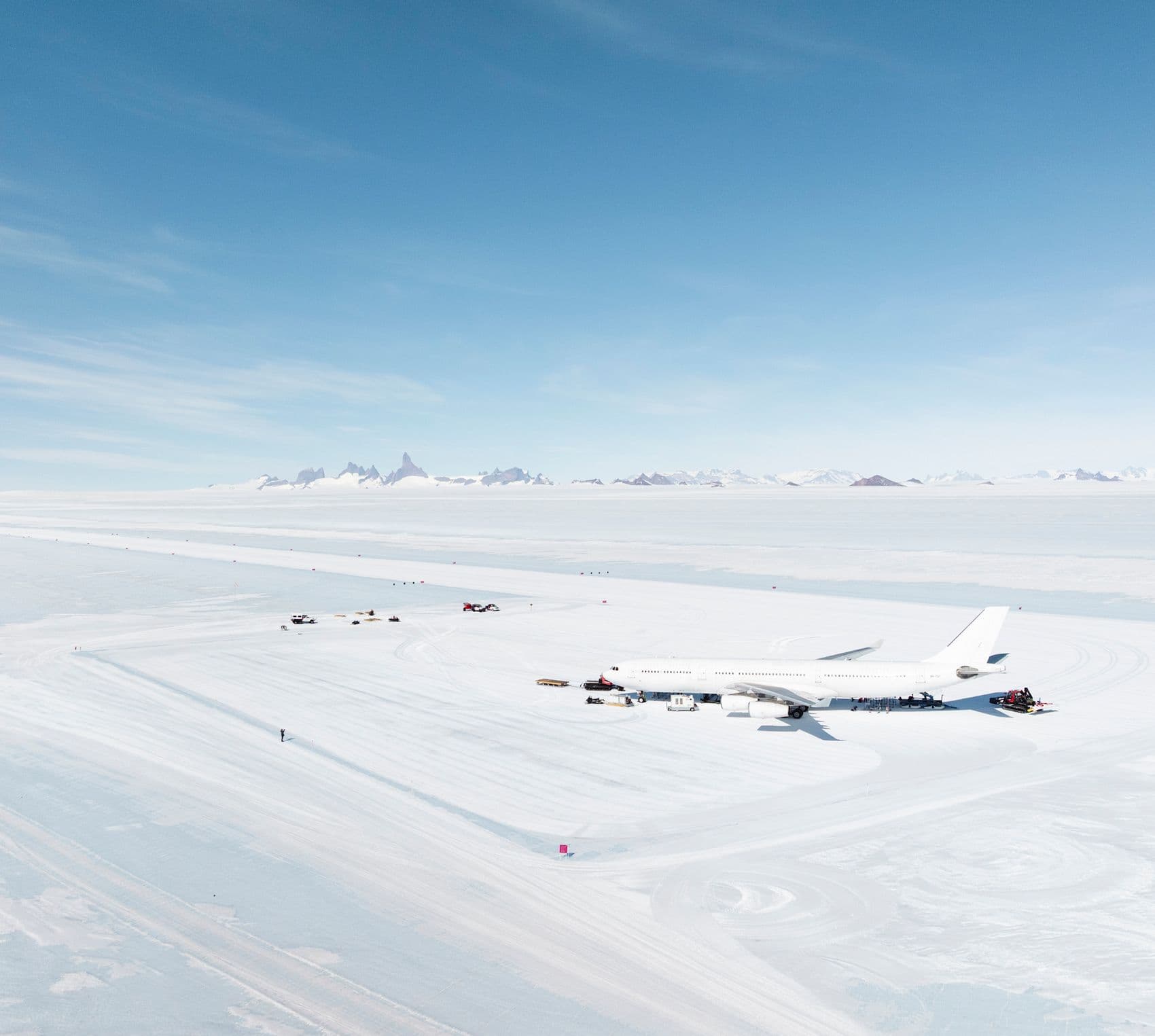
These large passenger aircraft carry guests across the Southern Ocean to Antarctica. Remarkably, they are the largest passenger planes ever to land on the continent, touching down on Wolf Fang’s Ice Runway — meticulously groomed for 22 hours before landing and departure.
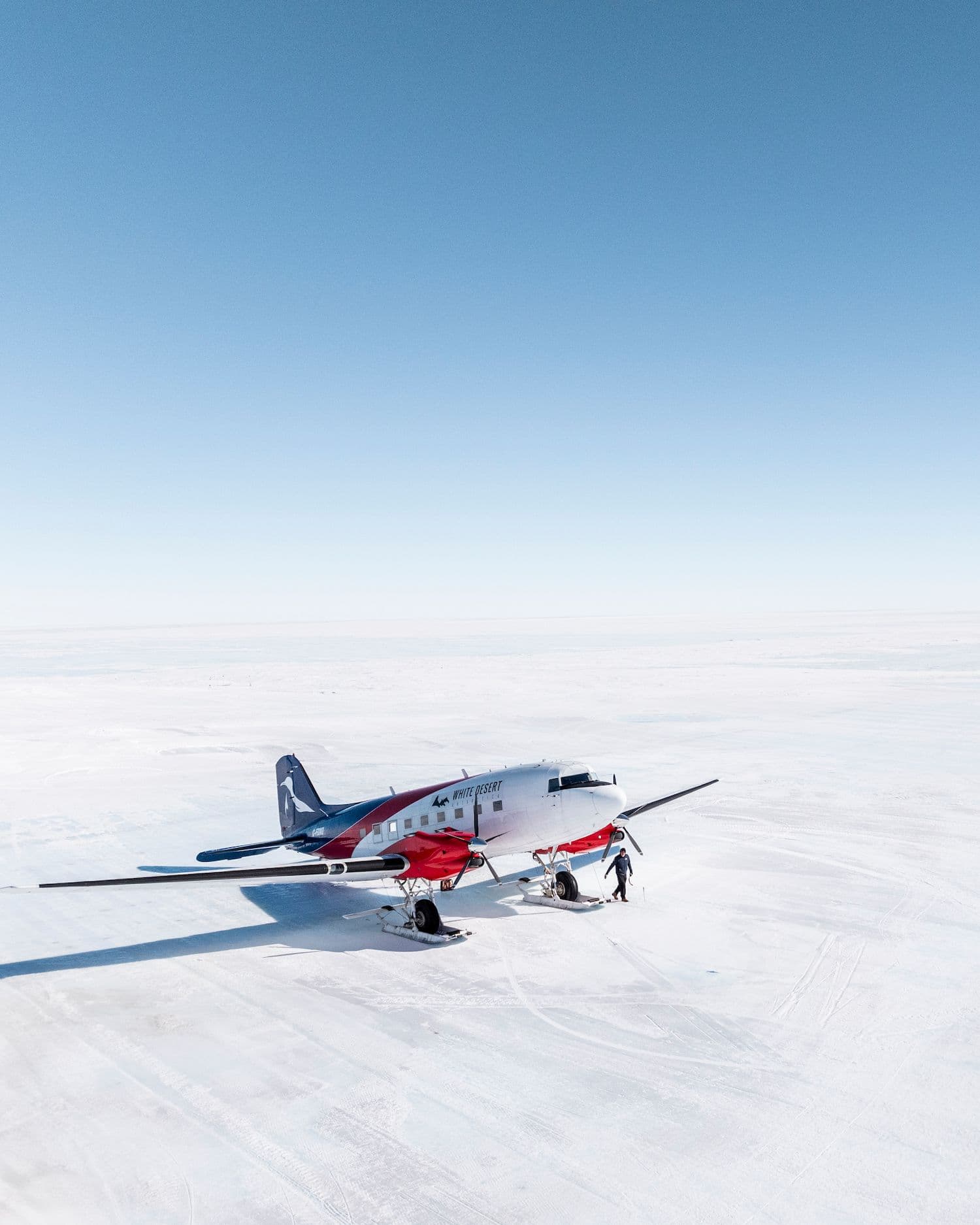
Basler BT-67
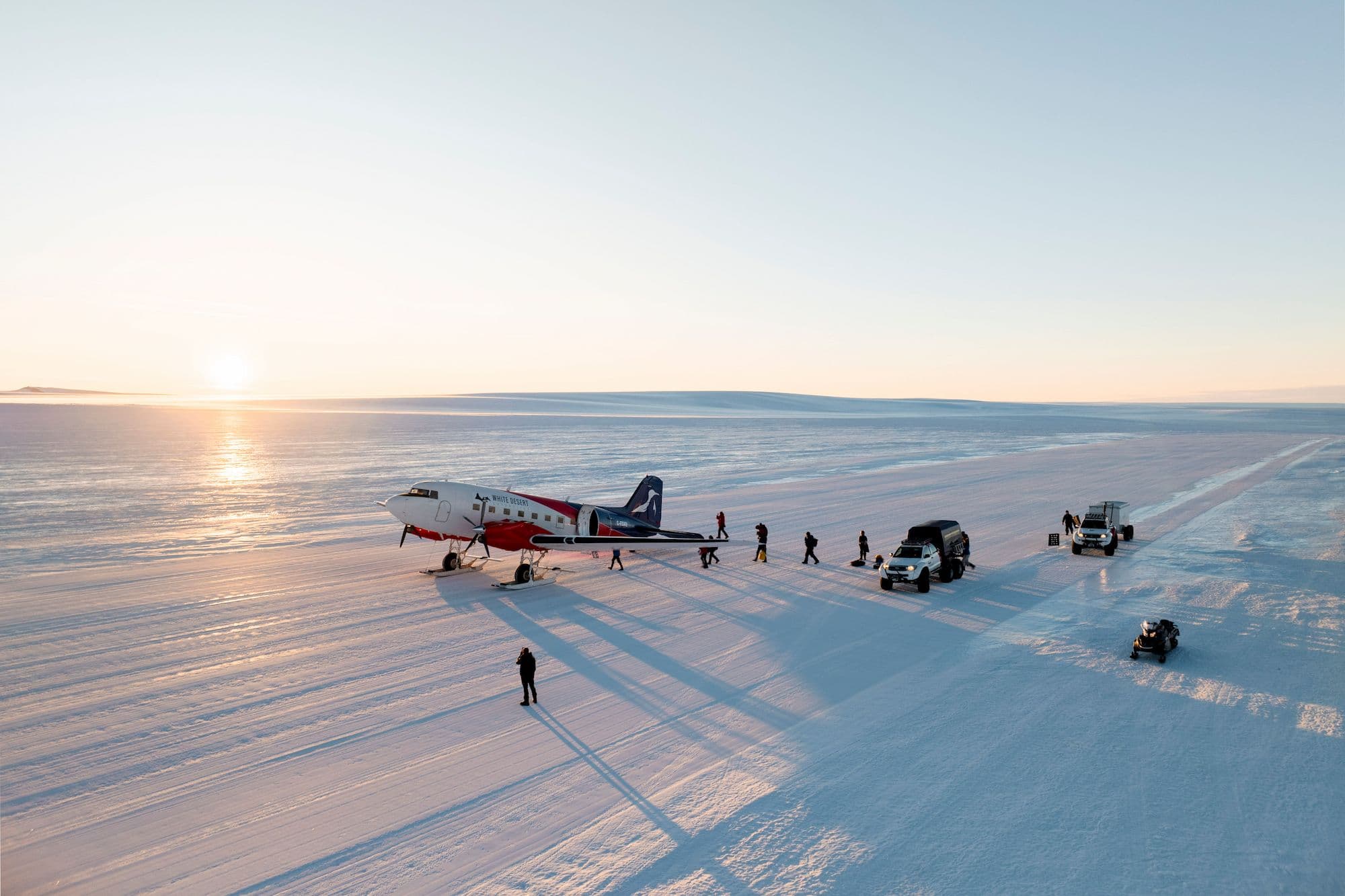
The Basler BT-67 is a modern evolution of the legendary Douglas C-47 or Dakota, an aircraft with over 80 years of history. Originally a military workhorse, the C-47 played pivotal roles in World War II, including the Normandy landings and the Battle of Bastogne, and later served civilian operations across Europe and North America. White Desert’s two BT-67s have been reborn through a $10 million conversion by Basler Turbo Conversions, now equipped with powerful Pratt & Whitney turboprop engines, modern avionics, and hand-stitched leather interiors.
Its wide cabin, extended range, and ability to land on snow and ice make it indispensable for flights to the Geographic South Pole, Emperor penguin colonies, and other interior destinations. Our BT-67s are flown by crews with decades of polar expertise, including pilots with more than ten Antarctic seasons under their belts.
Twin Otter
The Twin Otter is a twin-engine turboprop renowned for its short takeoff and landing (STOL) performance, allowing it to operate from ice runways and remote skiways where other aircraft cannot, and is famous for its Search and Rescue capabilities. Configured to carry passengers and cargo, it ferries guests to locations such as Atka Bay penguin colonies and Whichaway Camp, while transporting supplies and equipment across the continent’s vast and challenging terrain. Its versatility and rugged design make it an essential aircraft for Antarctic exploration.
Weather Forecasting & Flight Safety
Weather is monitored continuously at our camps and at Wolf’s Fang Runway using automated stations, manual observations, and satellite data. On flight days, forecasts are updated hourly to reflect changing conditions.
Visibility is the primary challenge in Antarctica, with whiteout conditions and wind-blown snow affecting operations. All flights are planned conservatively, carry return fuel, and are flown at the discretion of highly experienced pilots, who may delay, circle, or turn back if conditions require.
Every decision is guided by real-time data, deep polar experience, and an uncompromising commitment to safety.
EQUIPMENT
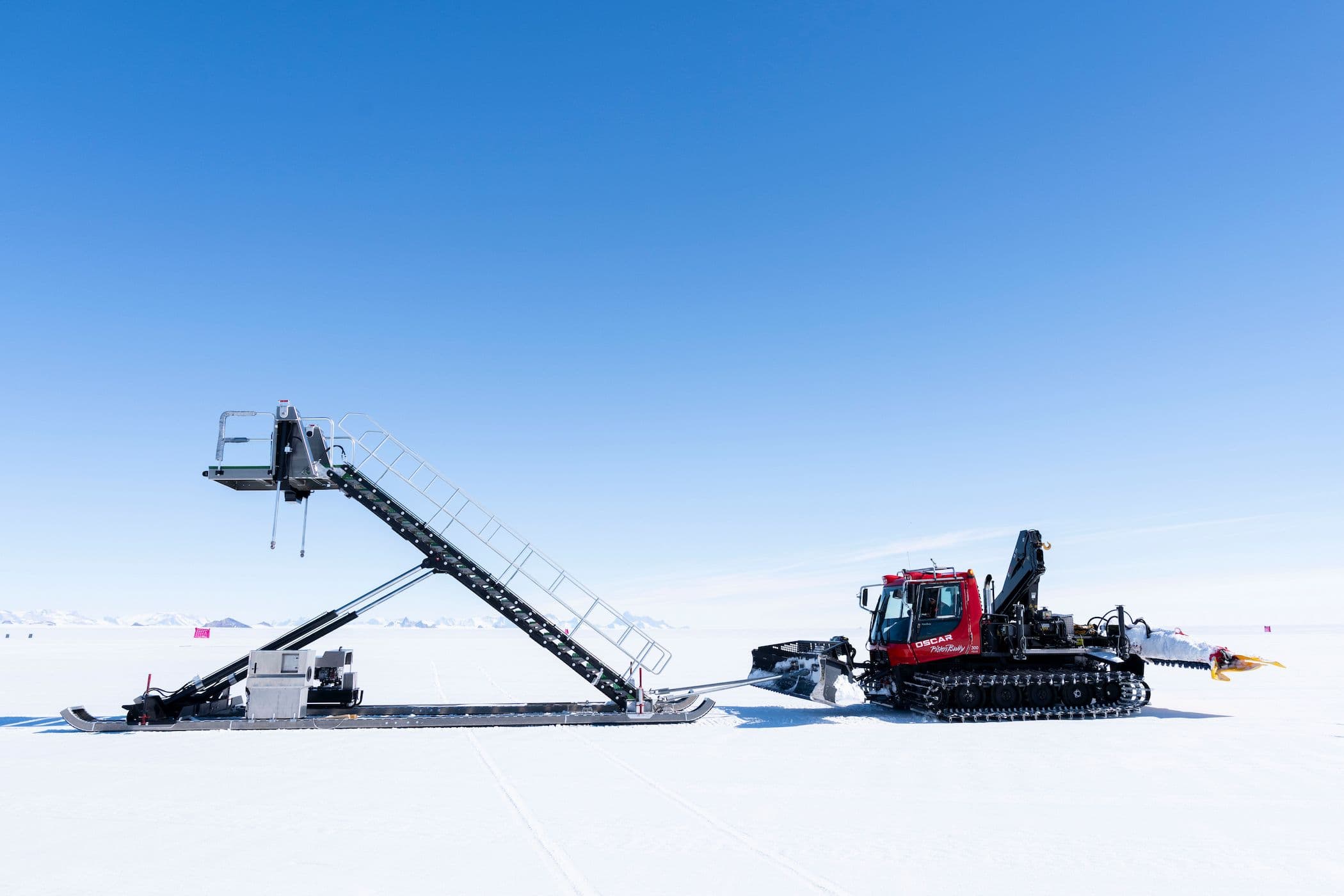
Responsible for the safe transport of people, fuel, and cargo, ensuring smooth operations and access to challenging environments.

EQUIPMENT
Operating in Antarctica requires not just experience, but a host of machinery designed to perform in one of the most extreme environments. Every piece plays a critical role in the operation.
PistenBullies
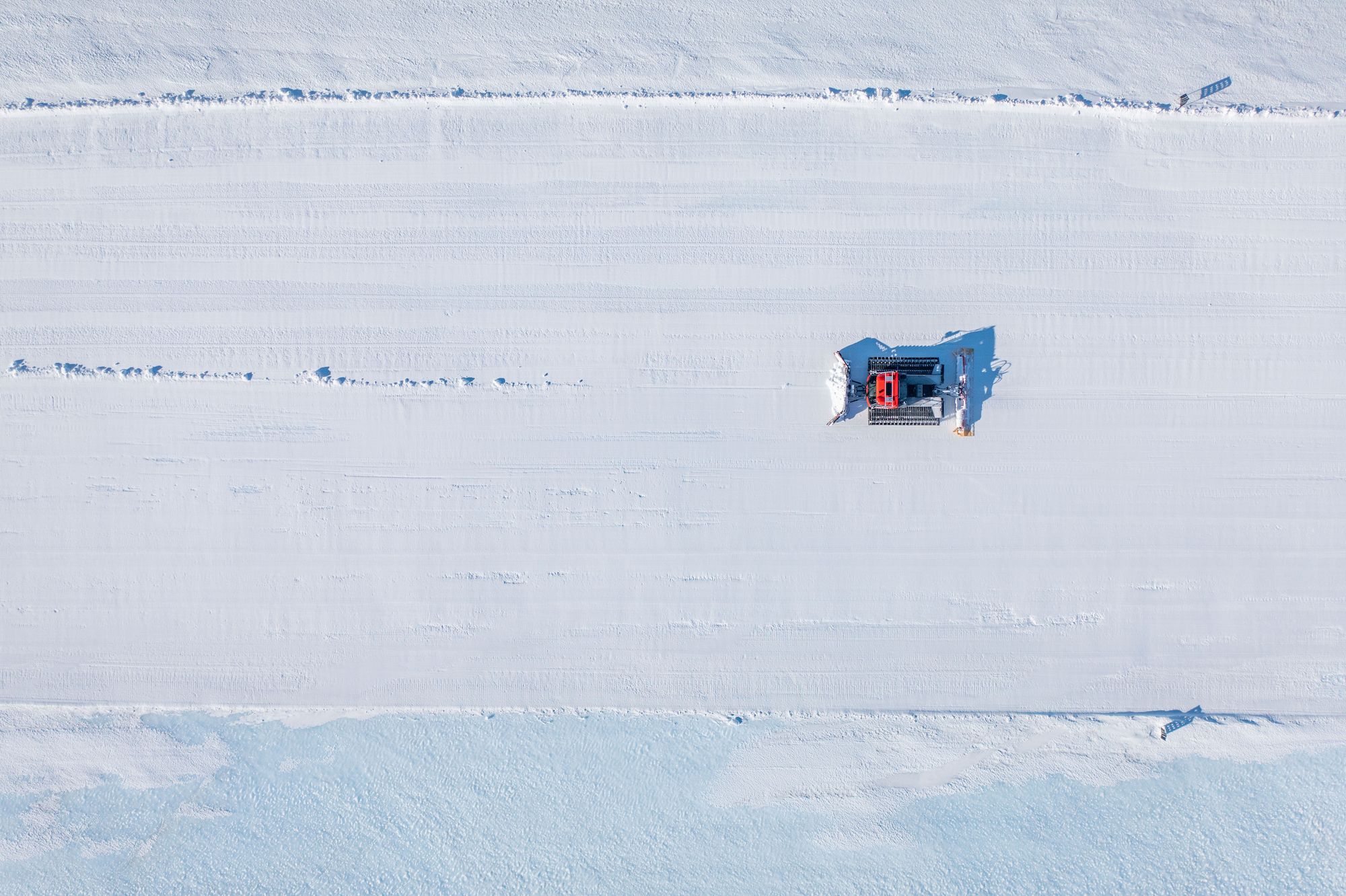
Starting at the continent’s edge, PistenBullies transport fuel across Antarctica, traveling at around 10 km/h for up to 15 days. Their route covers 600 km (372.8 mi) of treacherous, crevasse-laden terrain to Wolf Fang, followed by an additional 1,300 km (808 mi) to Dixie's Camp. Alongside this critical task, PistenBullies meticulously groom Wolf Fang’s Runway, ensuring safe aircraft landings. Their power, reliability, and endurance make them indispensable for sustaining operations in some of the most remote and challenging environments on Earth.
Arctic Trucks
Our specially modified Arctic Trucks transport cargo across the ice, as well as guests to and from camp, navigating the continent’s vast and challenging terrain. Built to withstand extreme cold, crevasses, and unpredictable surfaces, these vehicles provide safe, efficient mobility ensuring our camps remain fully operational regardless of location or weather conditions.
SA Agulhas
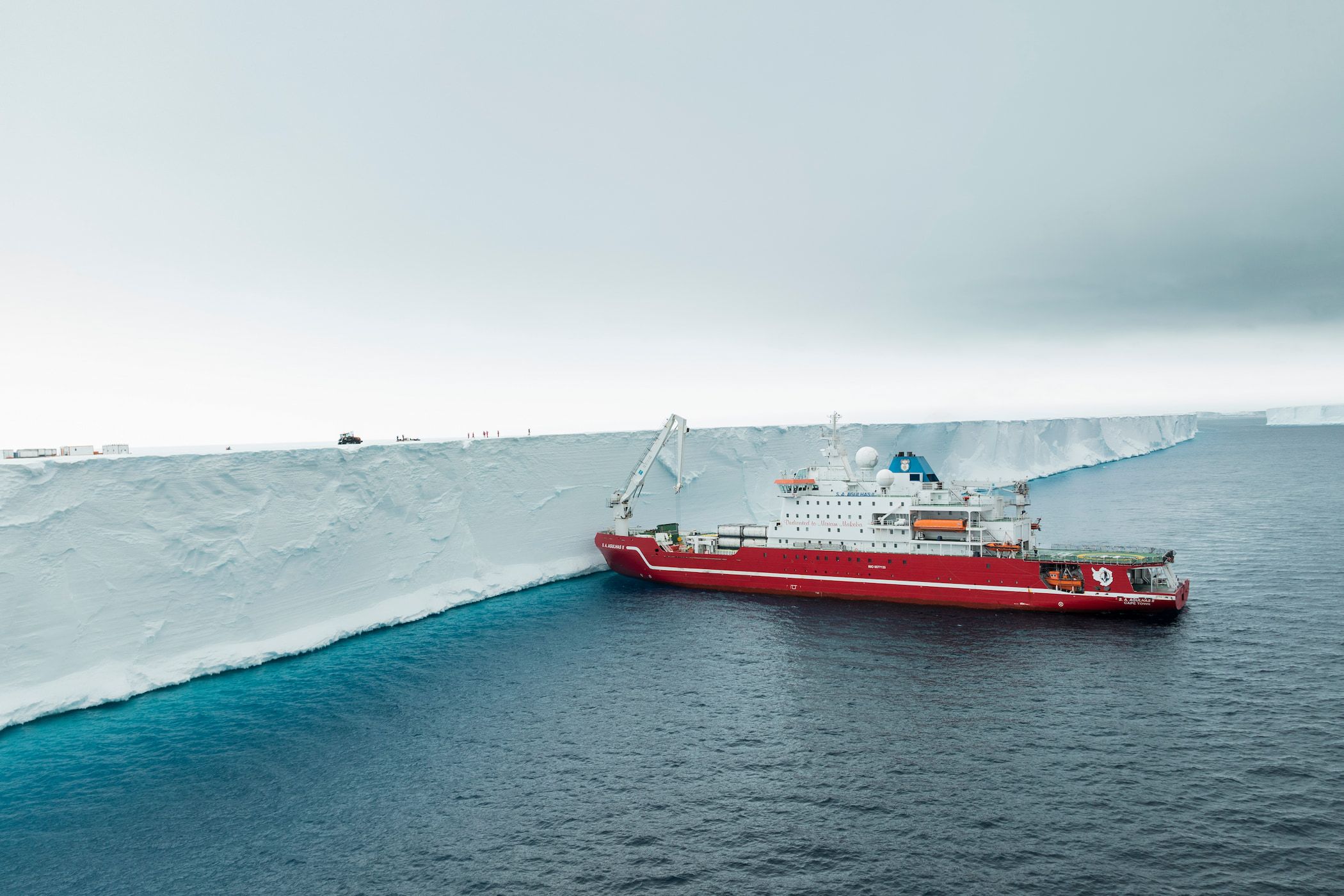
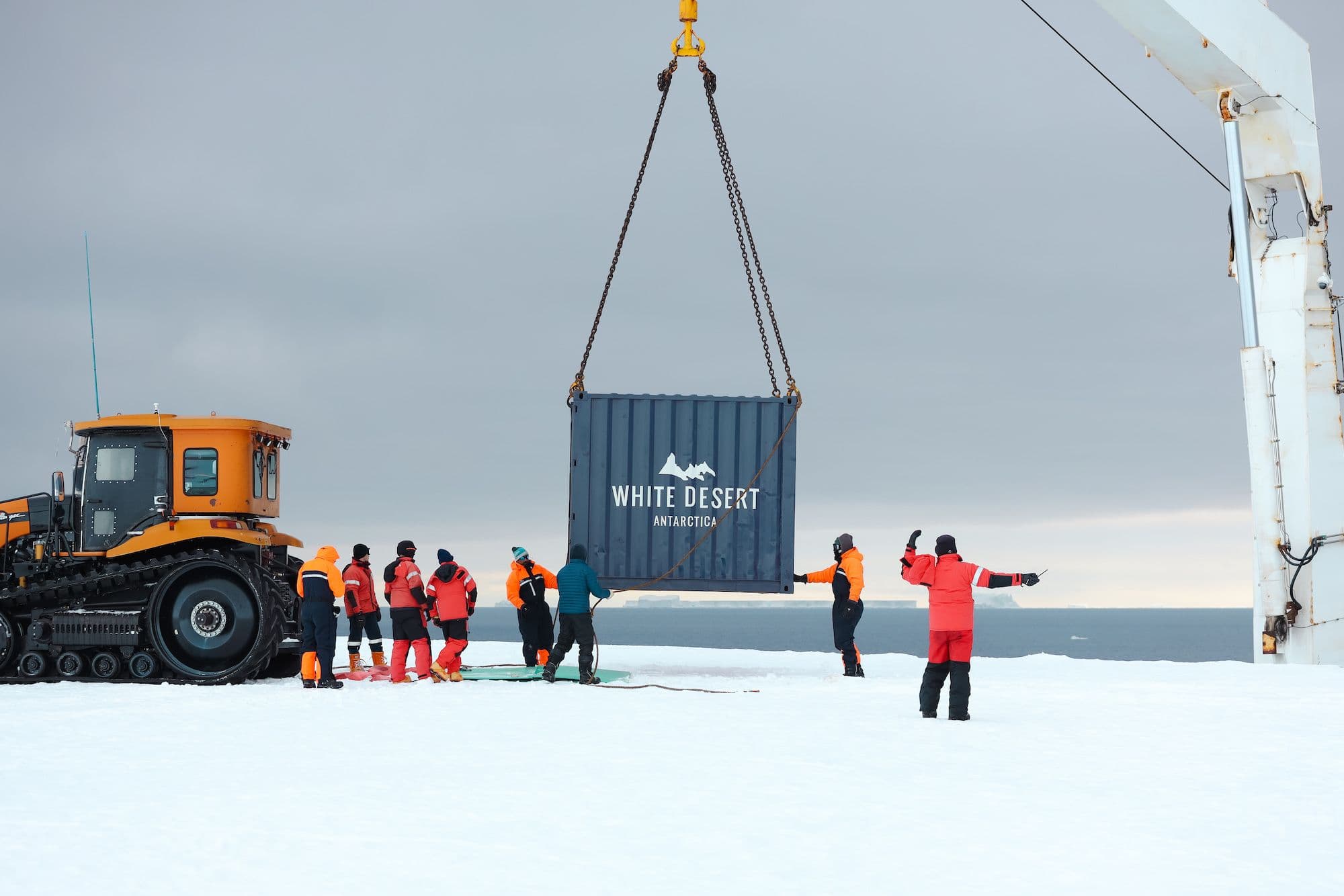
The SA Agulhas is a robust, ice-strengthened vessel that transports cargo and essential supplies from Cape Town to the edge of the Antarctic continent. It makes the challenging traverse across the Southern Ocean, and its onboard crane offloads all heavy cargo onto the ice shelf, enabling a smooth transition from ship to land. This vessel is critical for connecting the distant continent with our logistical base and ensuring the safe delivery of all necessary supplies for life on ice.
OUR TEAMS
People are at the core of what we do. Decorated in their various fields and many returning each season, they bring key expertise to every trip. Representing 18 different nationalities, they share a deep passion for the outdoors and a commitment to delivering seamless operations in one of the most challenging environments on Earth.
GUIDES
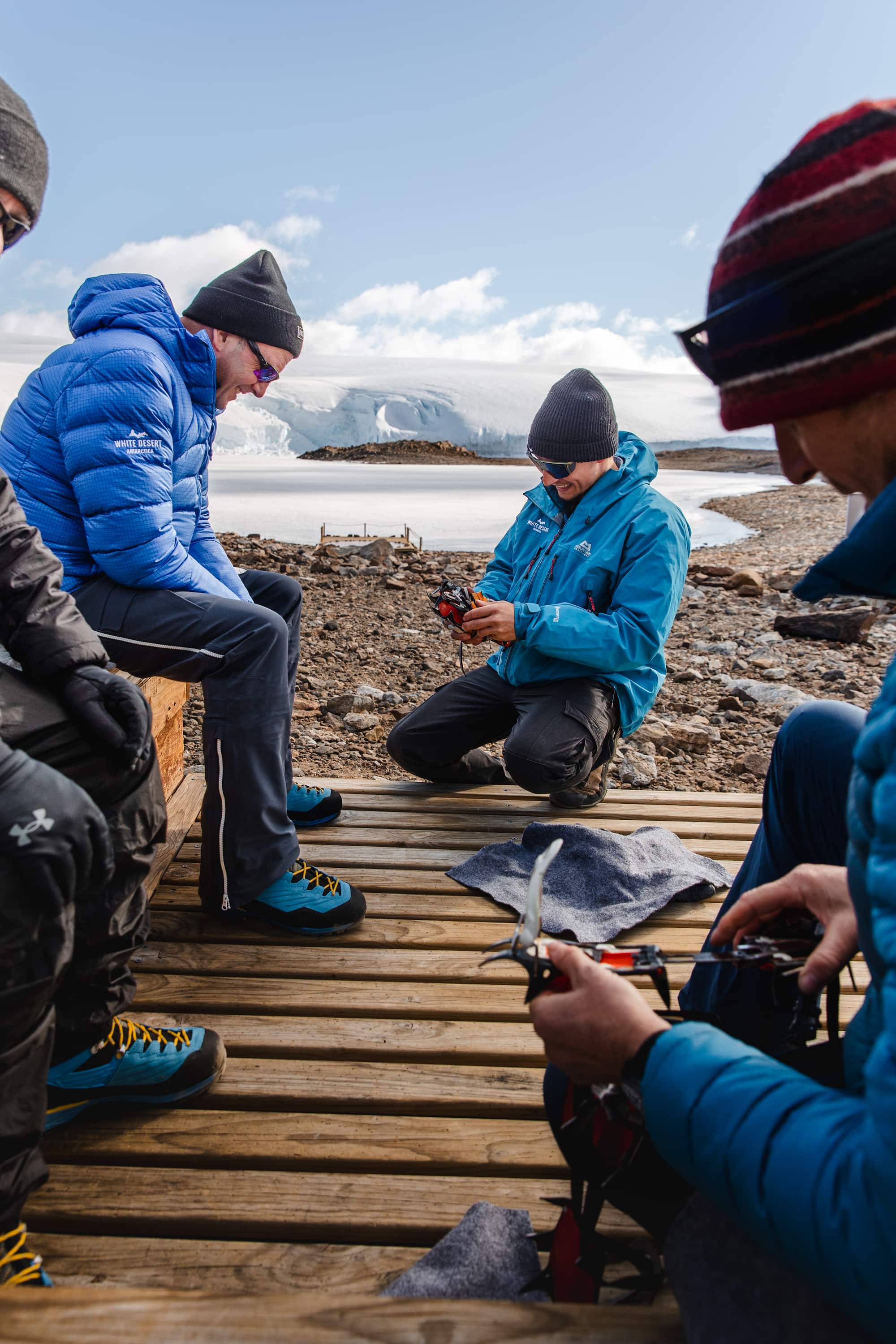
Led by the world’s best guides, they ensure your safety throughout your entire Antarctic experience.
GUIDES
White Desert only employs guides holding IFMGA/UIAGM (International Federation of Mountain Guide Associations)/(Union Internationale des Associations de Guides de Montagnes) certification, which requires years of relentless training in rock, snow, ice, and ski mountaineering, plus exams in guiding skills such as risk management, first aid, and leadership.
These are the most highly qualified mountain professionals in the world — a small, elite group within the broader mountain guiding community. Their expertise allows guests to navigate Antarctica’s glaciers, ice caves and tunnels safely, while experiencing the continent at the highest level of adventure.
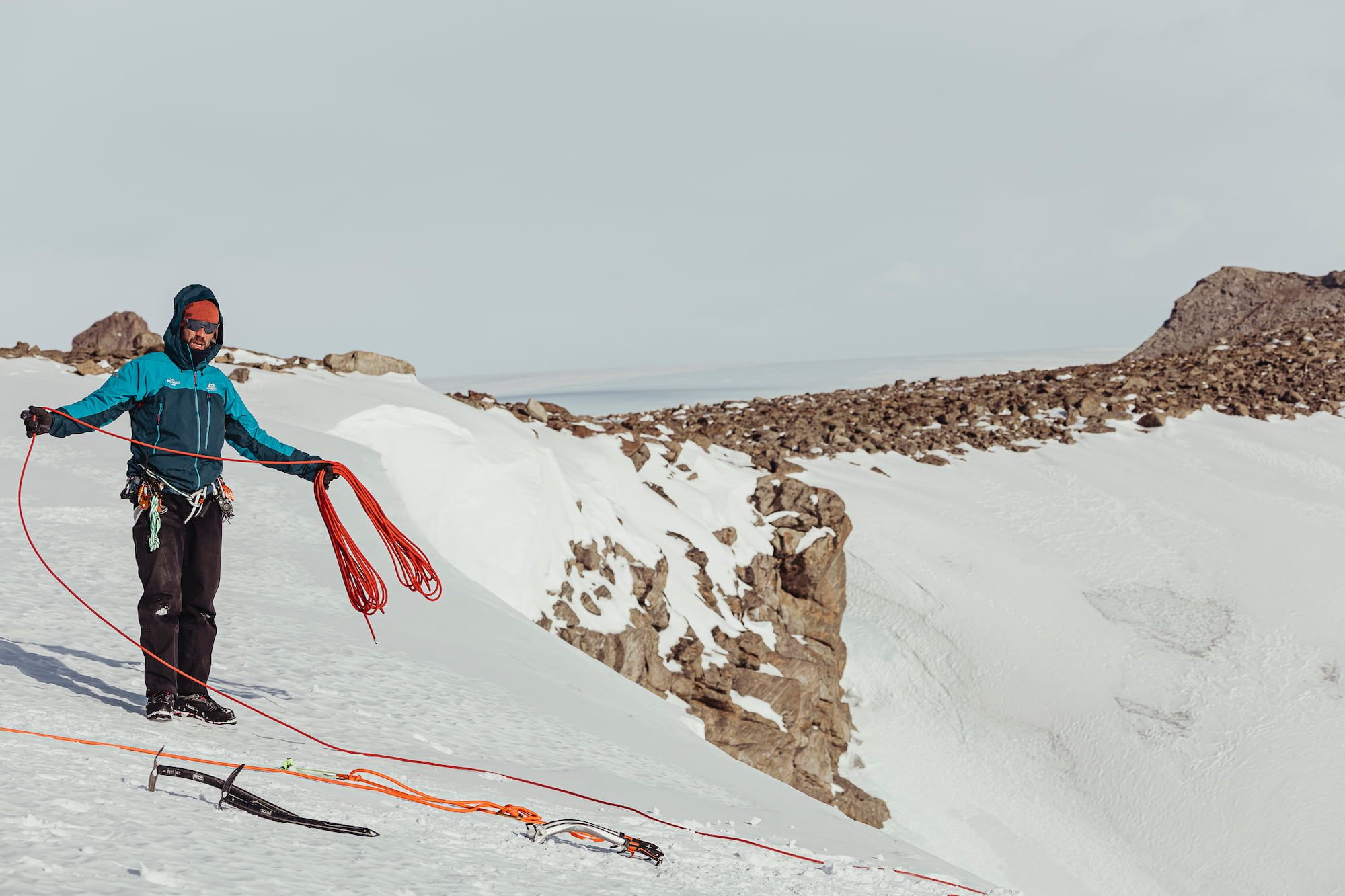
Ales Cesen
From: Slovenia
Seasons with White Desert: 5
Notable: First ascent of Lunag Ri (6,907 m) in Nepal in alpine style, one of the most significant Himalayan ascents of recent decades
Achievements: Piolet d’Or winner (2019); Degree in physics and a PhD in Civil Engineering
Why Antarctica: From the West Ridge of Gasherbrum III to the daunting faces of K2 and Latok I, I’ve spent my life chasing serious mountains. Yet it’s Antarctica, guiding White Desert guests across its wild frontiers, that keeps calling me back.
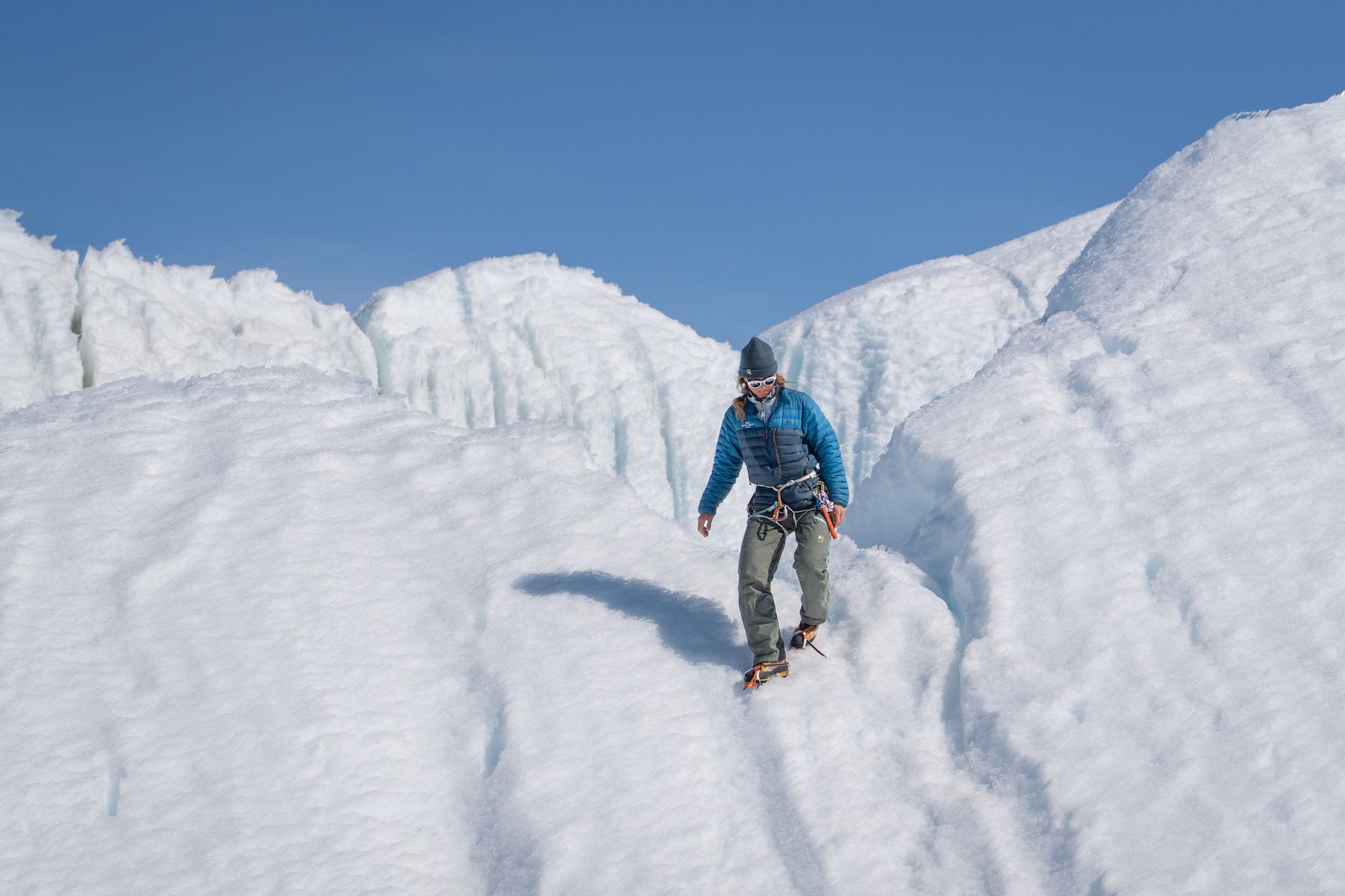
Sophie Moritz
From: France
Seasons with White Desert: So many, lost count.
Notable: Worked with the French women’s national mountaineering team (ENAF – FFME), spent formative time climbing in Yosemite, and sought out routes and places steeped in mountaineering history — from Camp 4. The rare opportunity to combine a major alpine ascent with paragliding the Tournier Spur on the north face of Les Droites, made possible only under highly specific and demanding weather conditions.
Achievements: Engineering Degree
Why Antarctica: The beauty in the small details of this place that is so overwhelmingly big in scale.
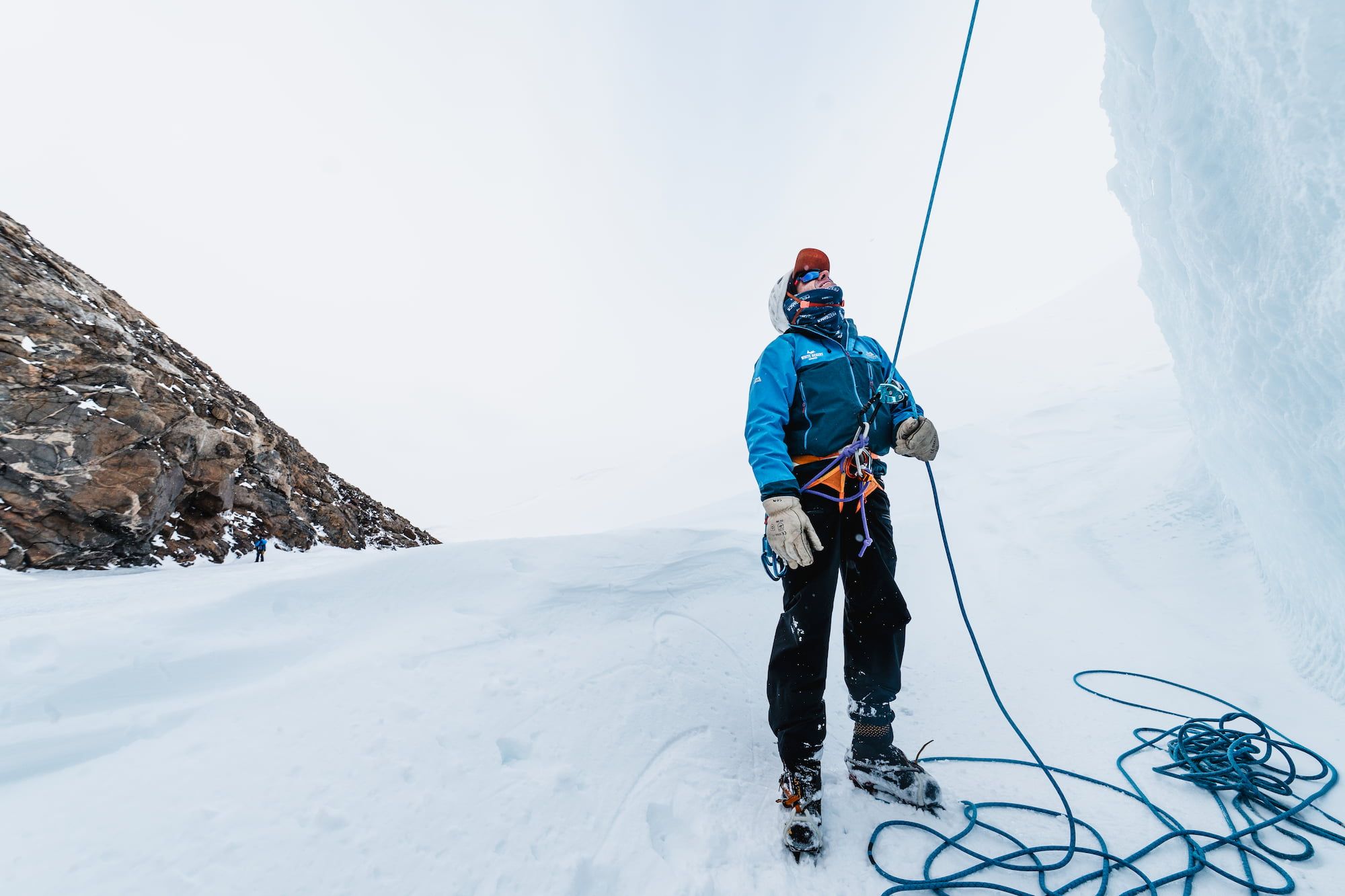
Sam Beaugey
From: France
Seasons with White Desert: One of the first guides, has lost count.
Notable: Was one of the first recorded BASE jumps from Antarctica’s mountains — a deliberate freefall in a place where isolation magnifies every consequence.
Why Antarctica: The opportunity for infinite exploration.
Jessy Pivier
From: France
Seasons with White Desert: 4 seasons.
Notable: Extensive high-altitude guiding and expedition work across the Alps, Himalaya, and polar regions, with a focus on complex logistical and remote environments.
Why Antarctica: The silence and scale. Antarctica strips everything back, creating a rare sense of focus and connection. And, the wildlife, in particular the Emperors, because they live a crazy and amazing life.
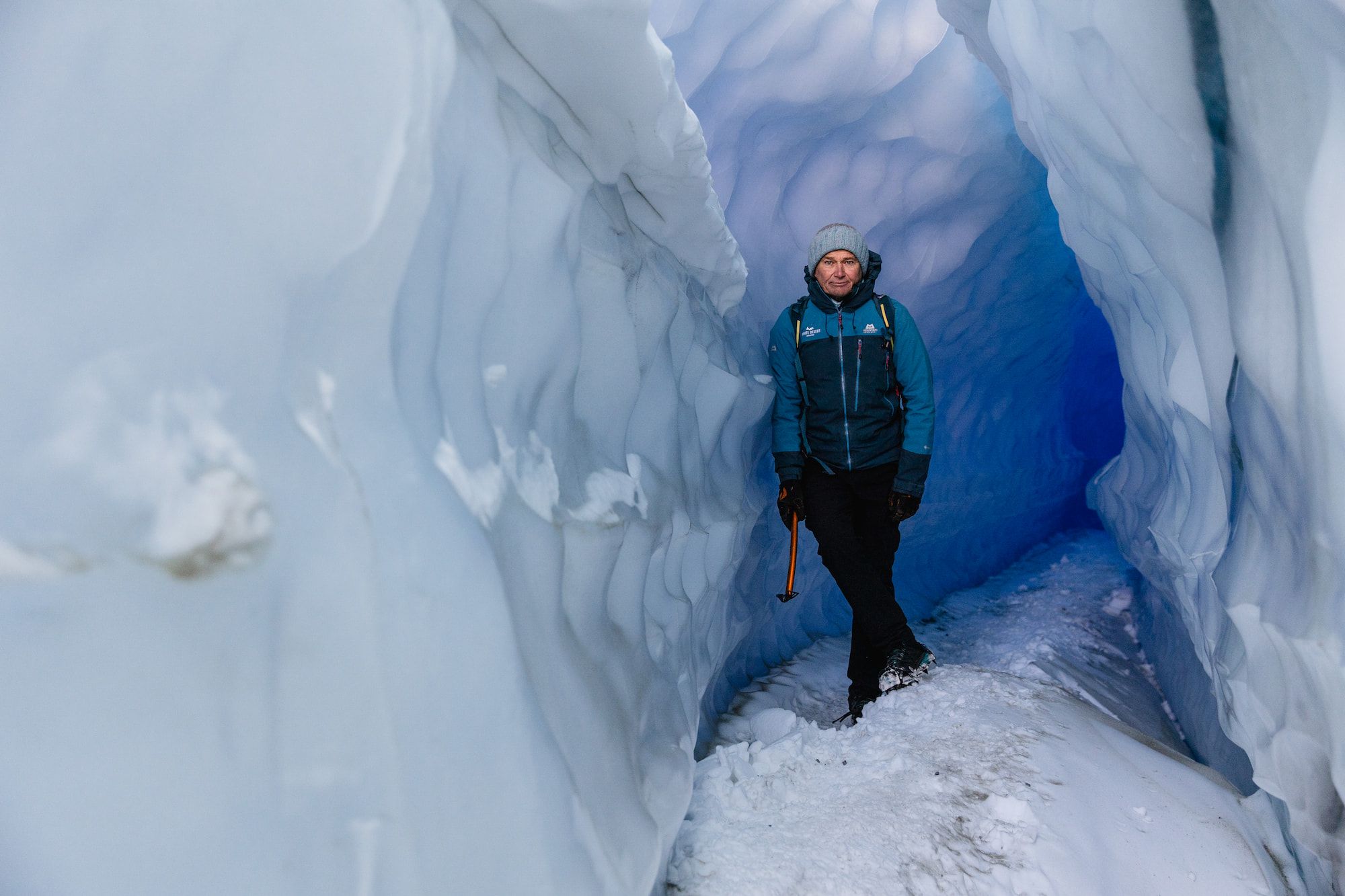
Marko Prezeli
From: Slovenia, close to Kamnik Alps. “Great place to live as a mountain guide and alpinist.”
Seasons with White Desert: 7 seasons.
Notable: Climbing mountains around our only planet for more than 45 years and having a supportive family and friends is something that I feel like a highlight. And it keeps going…
Achievements: 4x Piolet d'Or awards, won the inaugural "Oscar of mountaineering" in 1992; Chemical engineering degree; renowned photographer
Why Antarctica: Antarctica keeps inspiring me with contrast and interesting people to share our energy. My favourite thing here are people who have passion for adventures and the enthusiasm for sharing it.
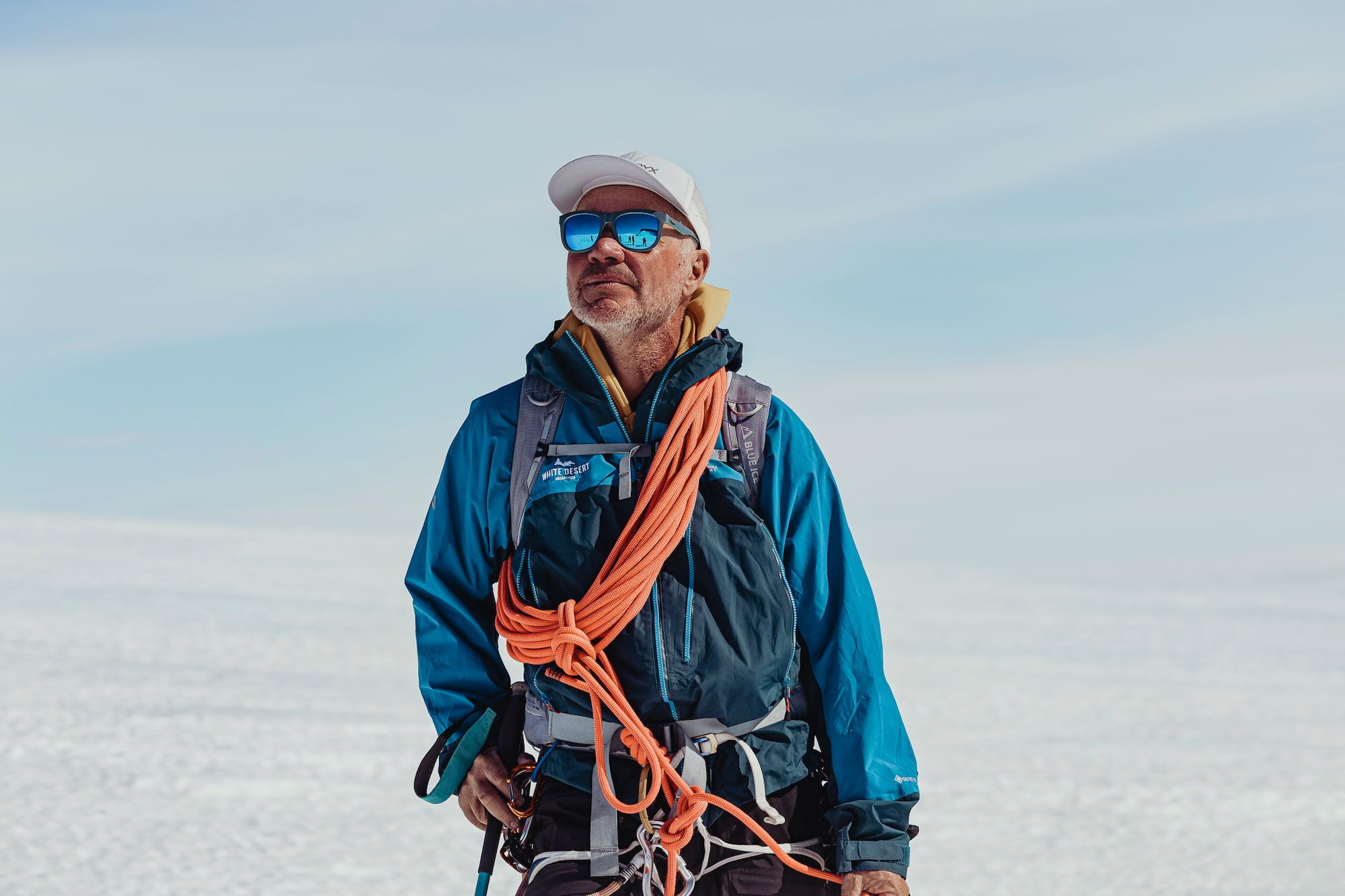
Philippe Barthez
From: France.
Seasons with White Desert: Multiple Antarctic seasons.
Notable: Climbing numerous 6,000 and 7,000-meter peaks in Chile, Argentina, Peru, Kyrgyzstan, Nepal, and most recently, Pakistan.
Why Antarctica: Standing on the shoulders of giants to see further, guided by the pursuit of ‘être au bon endroit au bon moment,’ which means, being in the right place at the right time.
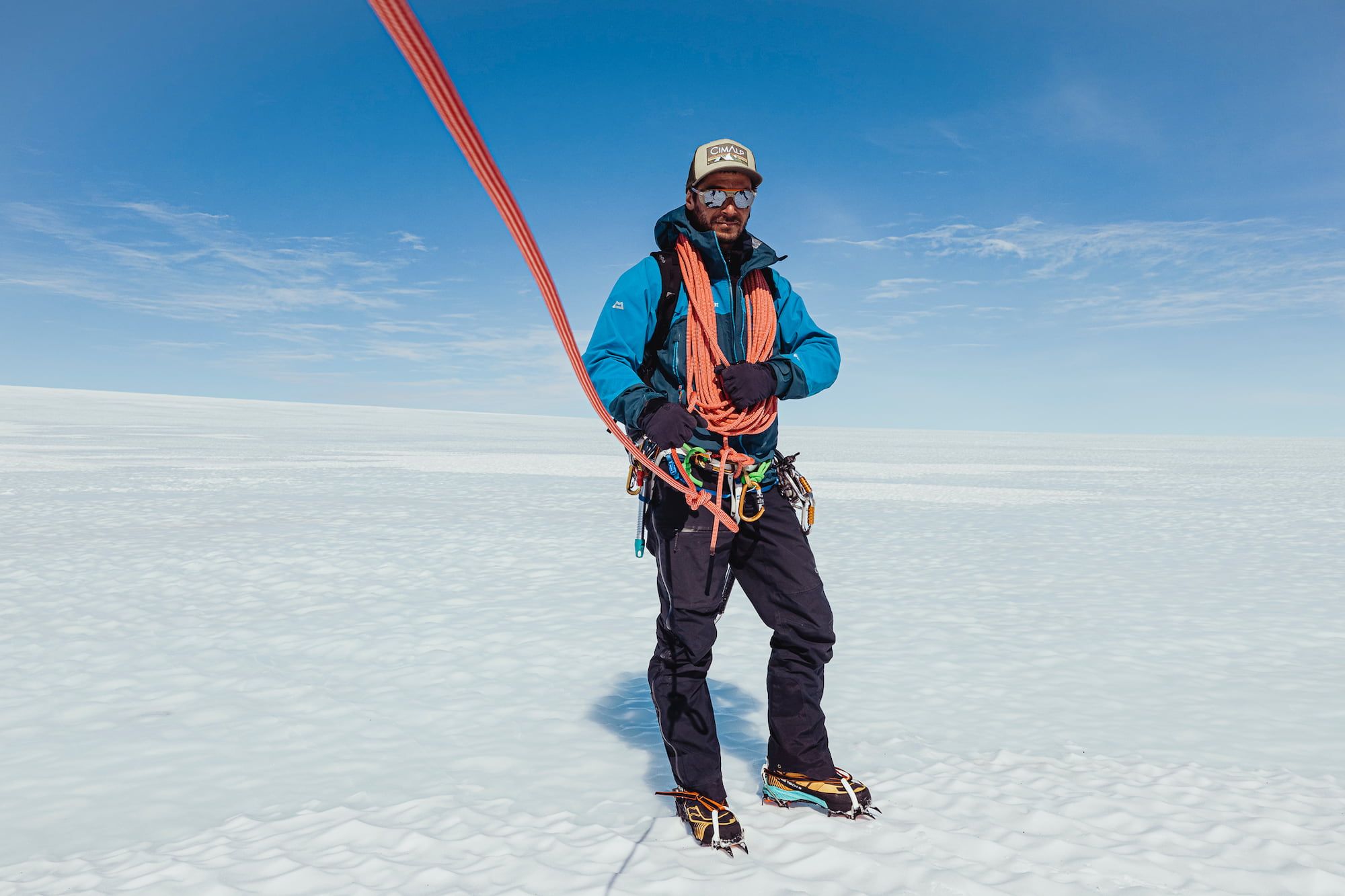
Matthieu Portefaix
From: France.
Seasons with White Desert: Multiple Antarctic seasons.
Notable: Extensive experience guiding and leading expeditions in remote and high-consequence environments.
Favourite thing about Antarctica: “The magic, power, isolation, and intensity of these places make it an extraordinary experience.”
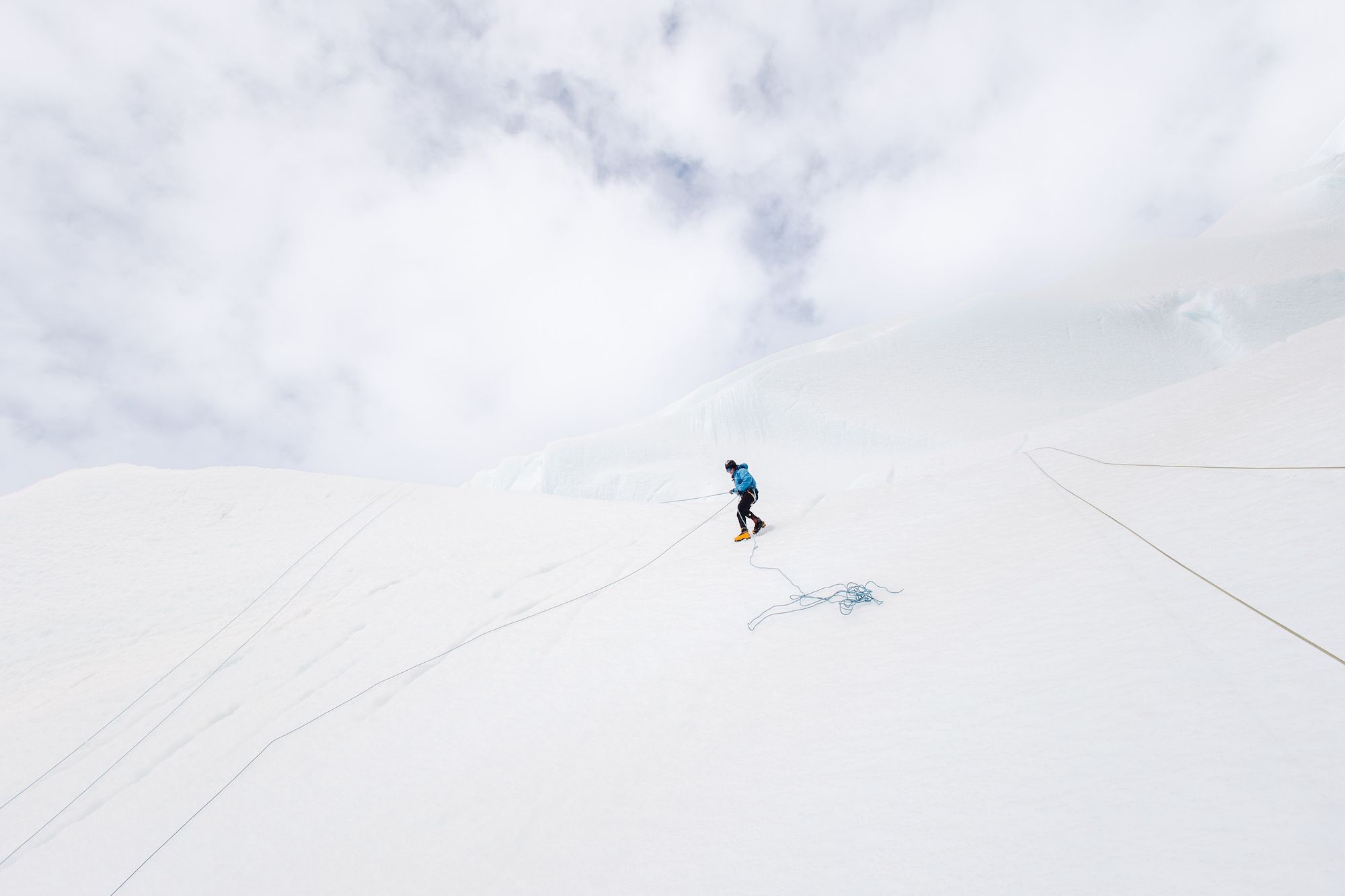
Maxime Richard
From: France, lives between the Austrian Alps and the Italian Dolomites.
Seasons with White Desert: First season, but certainly not the last.
Notablet: Climb and Fly from the summit of Fitz Roy, Patagonia.
Why Antarctica: The infinite landscapes of ice and the steeps mountains standing in the middle of nowhere.
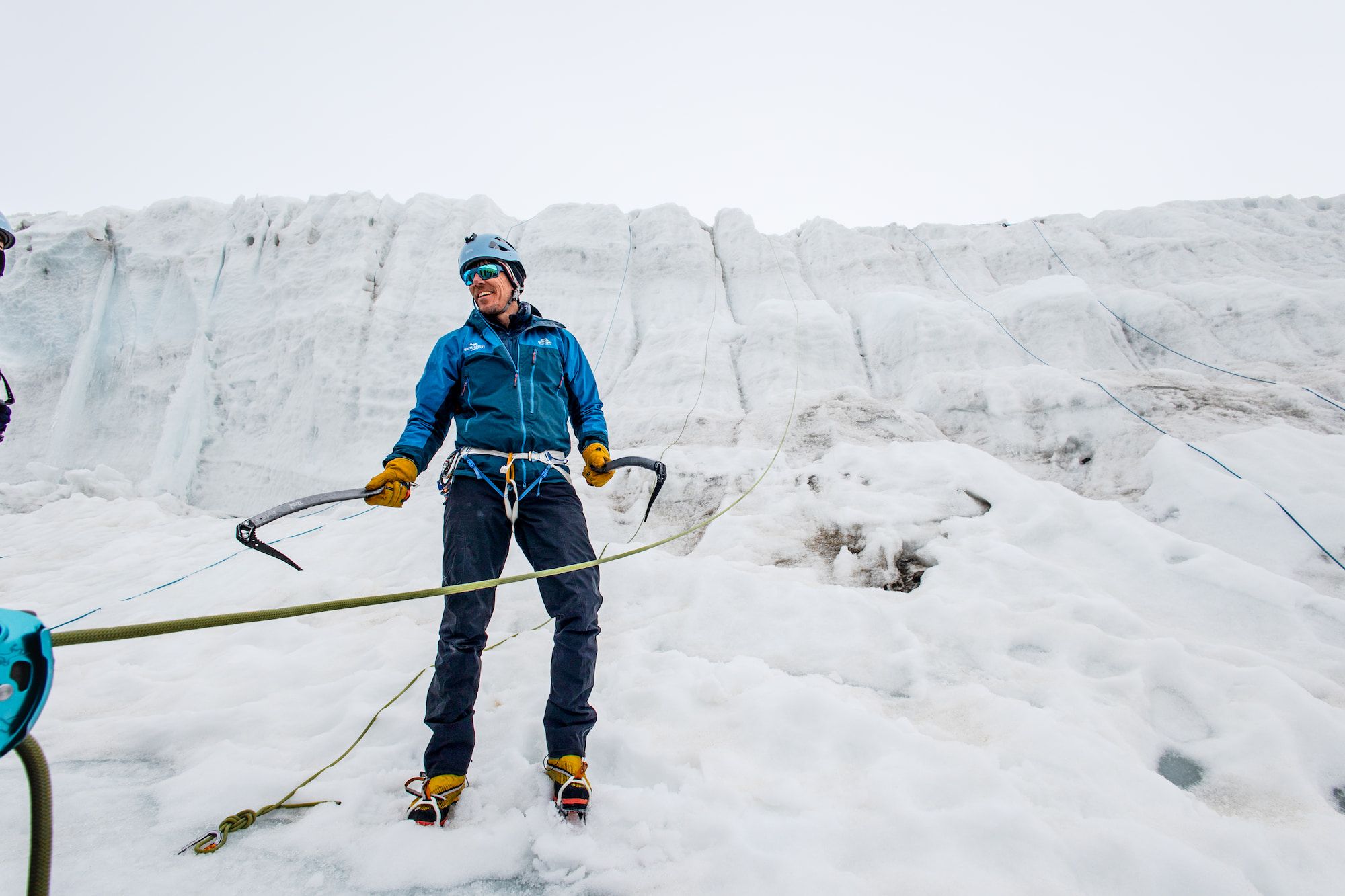
Urban Azman
From: Slovenia.
Seasons with White Desert: Multiple Antarctic seasons.
Notable: First ascent of Dome Kang (7,264 m) in the Himalaya, correcting the historical record and establishing the true summit — a significant contribution to modern alpinism.
Why Antarctica: The vastness and quiet.
Dylan Taylor
From: American living in Chamonix, France.
Seasons with White Desert: 10 seasons.
Notable: 3 ascents of the Vinson Massif (Antarctica’s highest peak), one ascent of Mt Sidley (Antarctica’s highest volcano), one ski traverse to the South Pole, and several days spent on the summit of Mt Erebus (Antarctica’s highest active volcano) dodging pyroclastic debris and airborne lava bombs, trying not to breath the gasses, and trying to keep a handful of brilliant volcanologists happy and safe.
Achievements: AMGA Instructor; Wilderness First Responder & CPR; Masters in Geology.
Why Antarctica: The scale and seriousness of the environment — a place where experience, judgement, and teamwork matter above all else.
Doctors & Physios
Highly-skilled experts ensure your safety, recovery, and comfort throughout your Antarctic journey.

Doctors & Physios
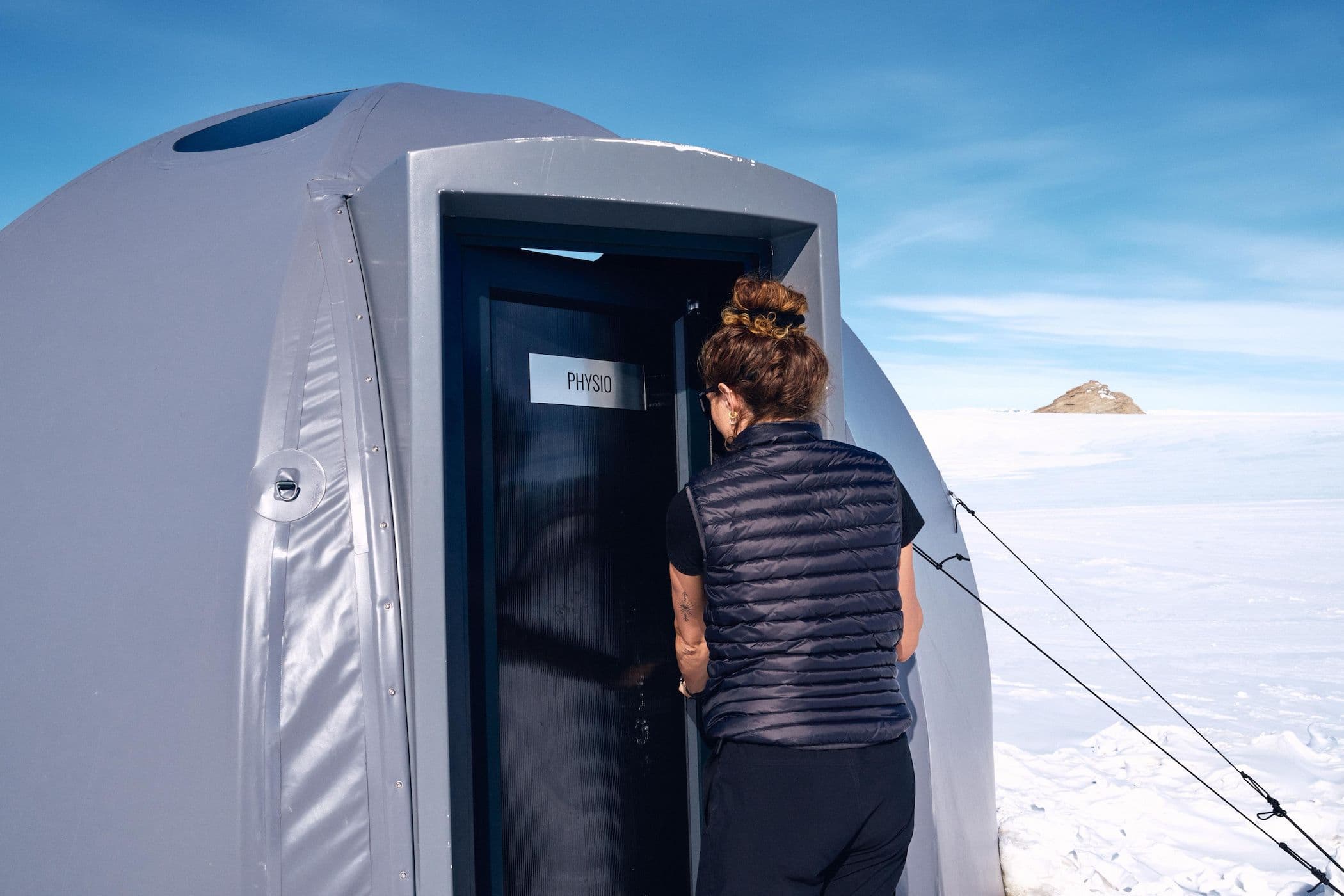
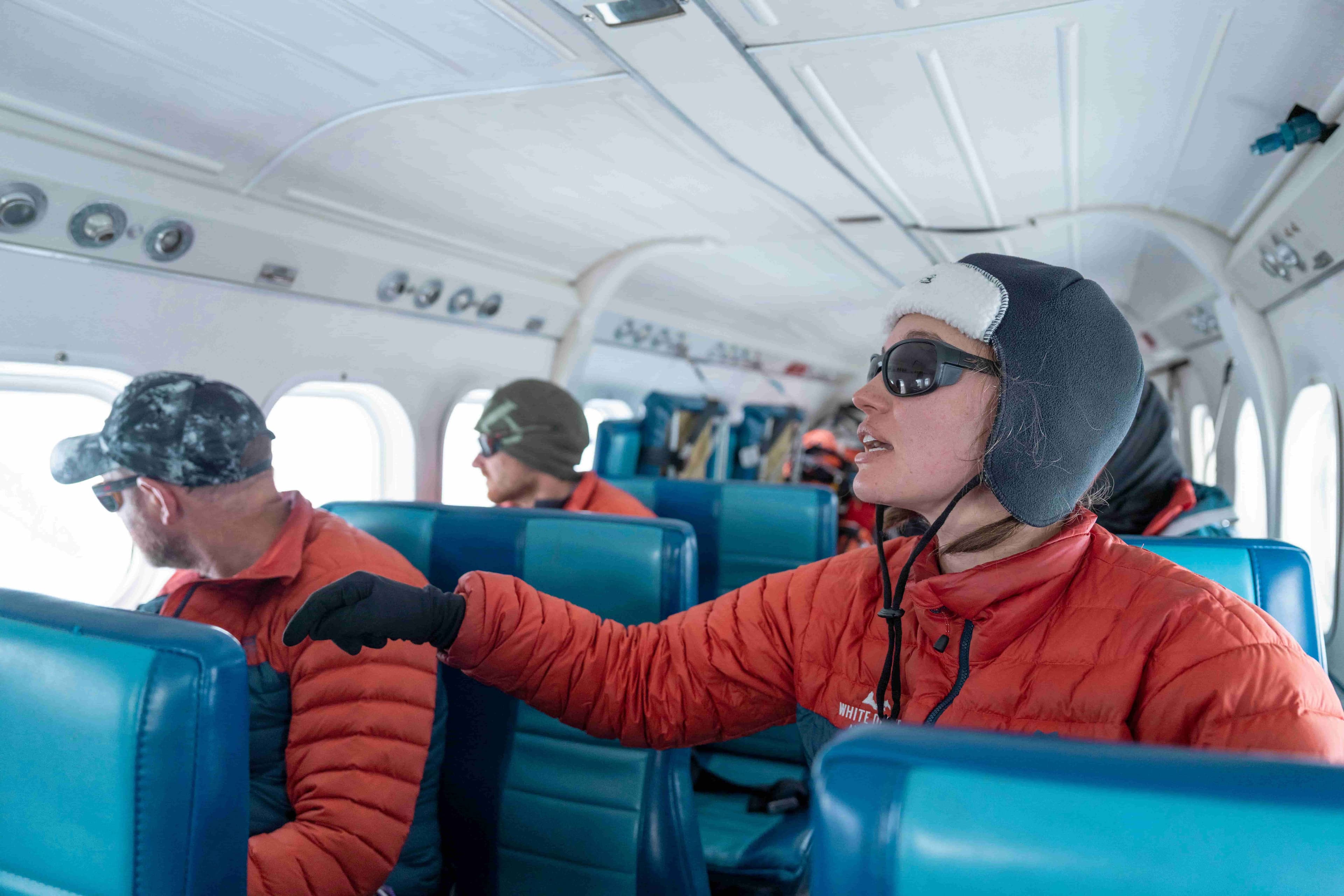
Health and well-being are central to every expedition. Our medical team includes leading trauma surgeons based at each camp, equipped to manage emergencies in extreme conditions or address any routine concerns you may have while on ice.
Physiotherapists provide post-activity recovery support, massages, and relaxation therapies, ensuring guests remain ready for the next adventure. A medical pod outfitted with every piece of medical tech required and a physio pod for recovery treatments are found at Whichaway and Echo camps.
Chefs
Planned months in advance and delivered across 4,000 kilometres of ocean and ice, you'll find flavour at the very bottom of the world.


Chefs
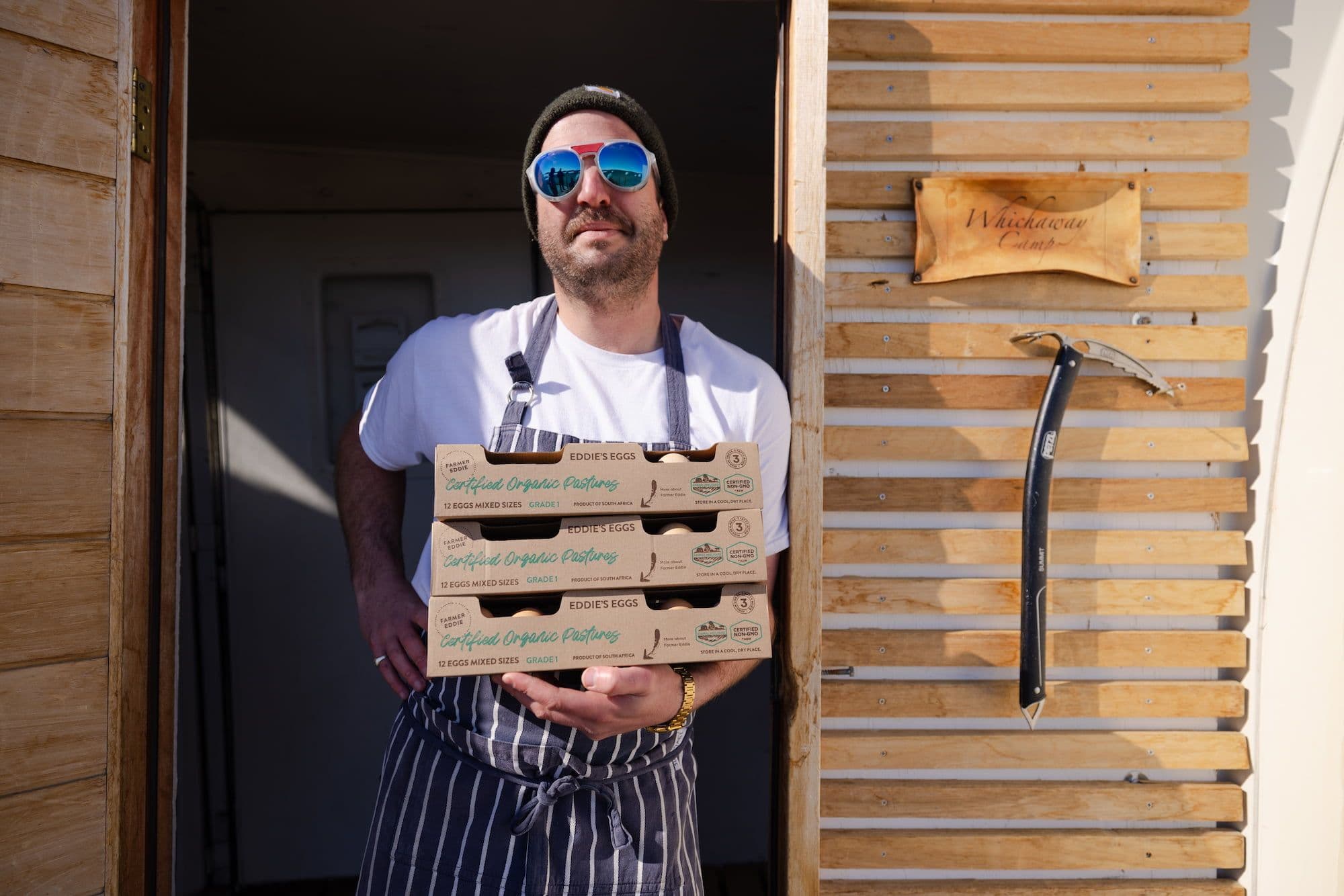
Long before the first table is set on the ice, a dedicated team of chefs in Cape Town begins planning months in advance. More than 22,000 meals are prepared ahead of the season, with every ingredient carefully selected and every portion calculated for both guests and staff. Only foods that can be frozen at peak freshness make the journey south by ship, preserving quality while withstanding the extremes of Antarctic transport and storage.
During the season, each week, aircraft depart Cape Town carrying fresh supplies across 4,000 kilometres of ocean and ice. Alongside essential equipment and personnel, these flights replenish kitchens that operate in one of the most remote environments on Earth. There are no local suppliers, and subsequently no second chances when it comes to plating a dish in the Last Continent; for that reason, every delivery is choreographed with the same care and intention as the menus themselves.
On ice, top-level chefs transform these ingredients into refined, Michelin-level cuisine. Techniques are adapted for the cold, and limited resources, yet the result is dining that feels effortless: beautifully plated dishes, warm dining spaces, and a sense of occasion that defies the landscape outside.
Wine is given the same consideration. Each bottle is selected and prepared specifically for tasting in extreme cold and altitude which alter aroma and flavour. Sipping on a White Desert exclusive, against a backdrop of ice and silence, is an experience where every note is heightened and which feels uniquely amplified.