Sustainability Policy at White Desert
Environmental Governance in Antarctica
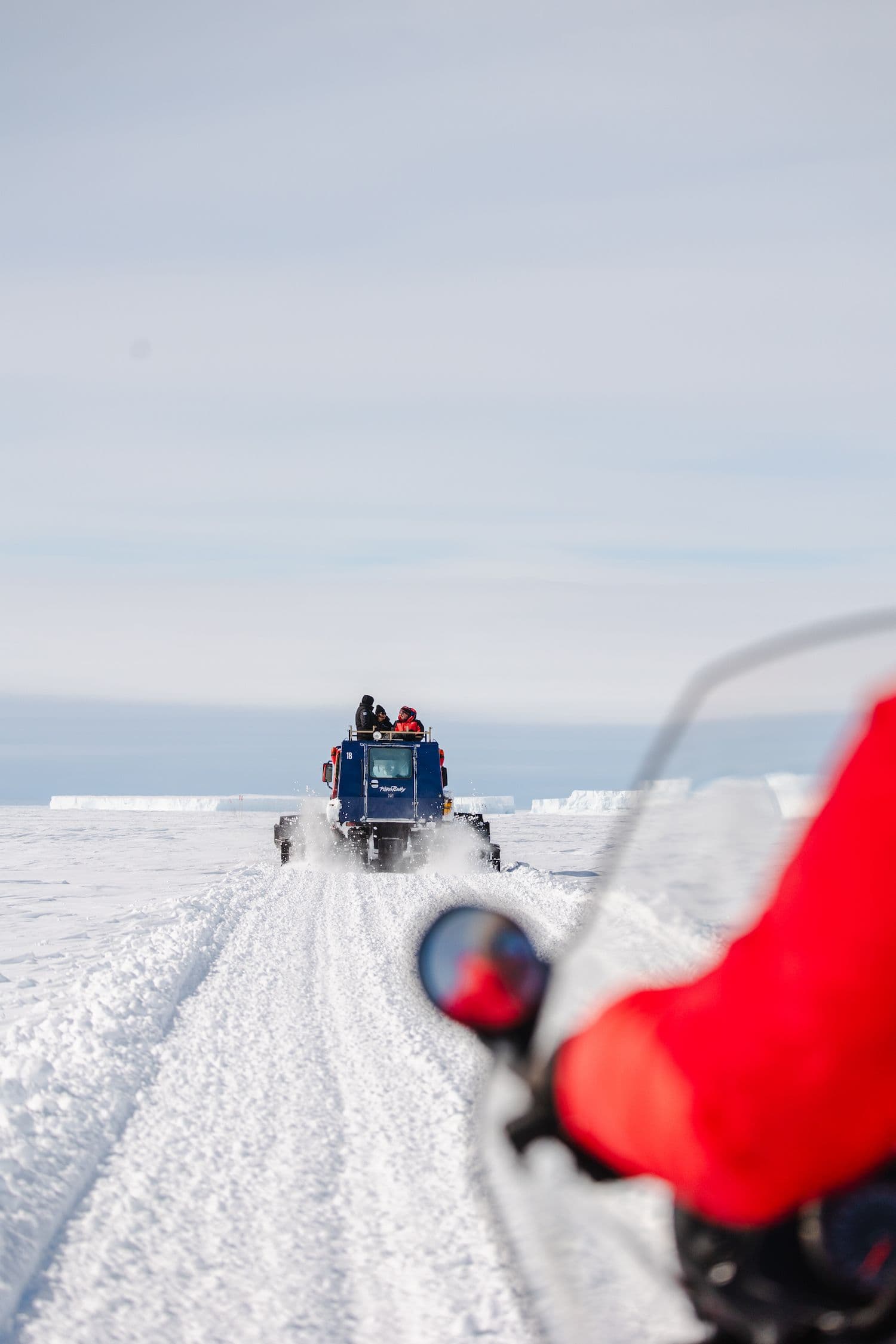
With two decades of experience in Antarctica, White Desert understands what it takes to operate responsibly in one of the world’s most fragile environments. Antarctica is unique in that there are no nations here, and its protection is governed entirely by international agreements that prioritise peace, science, and conservation.
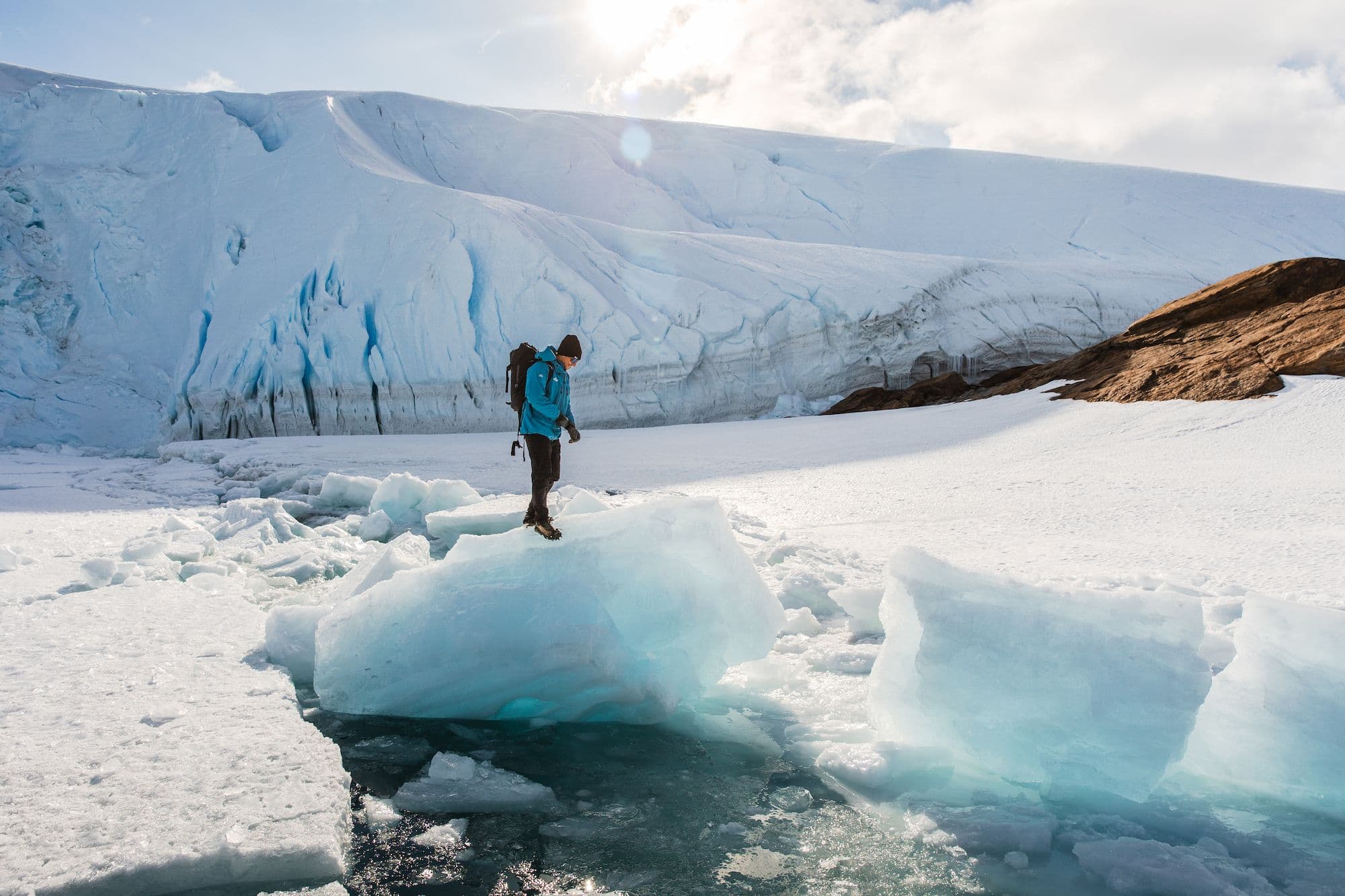
The Antarctic Treaty, first signed in 1959 and now joined by 46 countries, lays the foundation for all activity on the Continent. Environmental protection is further reinforced under the Madrid Protocol of 1991, which designates Antarctica as a 'natural reserve'. Every activity must be assessed for environmental impact, and only those deemed to have less than a minor or transitory effect are permitted.
Shaping Policy and Leading Change
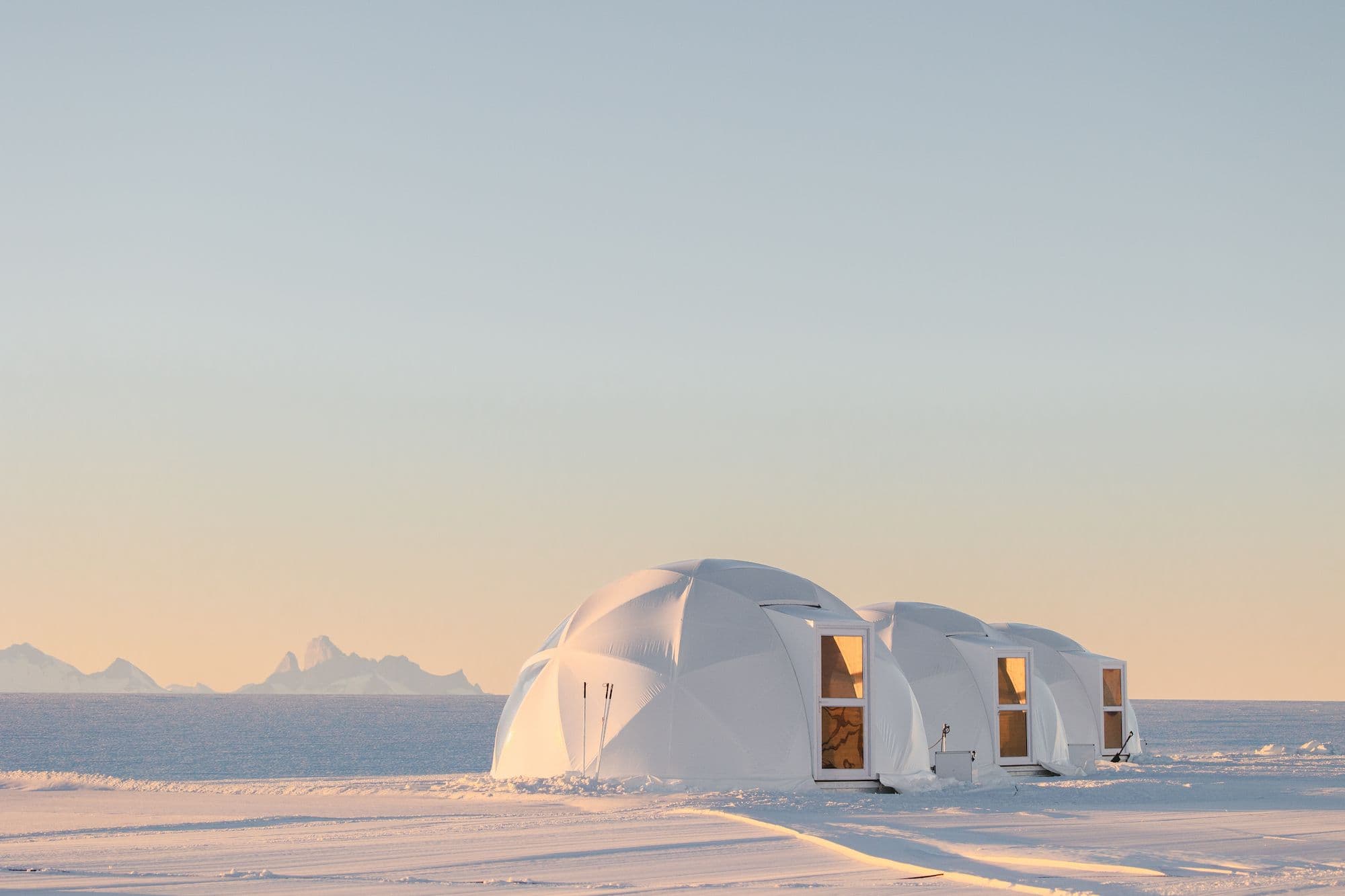
White Desert has been recognised for its leadership in environmental protection, including awards for our Initial Environmental Evaluation (IEE), which clearly demonstrates how our operations maintain less than a minor or transitory environmental impact. Our camps are fully temporary and designed to leave no trace, while every activity follows strict mitigation measures.
Our IEE report can be viewed here, and our supplemental report here.
In 2021, White Desert became the first Antarctic operator to use Sustainable Aviation Fuel, a major step in reducing the carbon footprint of aviation in Antarctica. SAF is produced from waste oils rather than crops, offering a carbon reduction of up to 80% compared to conventional jet fuel.
Current blends of SAF provide a 24-40% reduction in emissions, while also producing less soot and sulfur — critical for maintaining air quality over the Continent. In future seasons, White Desert plans to use SAF for all Antarctic flights, supporting our science-based targets and commitment to the Pledge to Net Zero.
Read more about our SAF usage here.
Residual carbon emissions that cannot be avoided are offset through internationally recognised programs. White Desert has been Carbon Neutral® certified since 2007 and has contributed to the Global Renewable Energy Portfolio since 2020.
We have offset all remaining emissions by providing finance to emissions-reduction projects, supporting the transition to a low-carbon global economy.
View our Carbon Neutral certification here.
Read our latest published Greenhouse Gas (GHG) Report here, verified as part of our Science Based Targets Initiative commitment and Carbon Neutral® Certification.
White Desert is committed to achieving Net Zero greenhouse gas (GHG) emissions by 2050, aligning with the Science-Based Targets initiative (SBTi) and the Paris Agreement's 1.5°C climate change scenario.
Our policy outlines strategies to reduce carbon emissions across all operations while maintaining the highest environmental standards in Antarctica. White Desert is also a proud signatory of Pledge to Net Zero.
View our Net Zero Policy here.
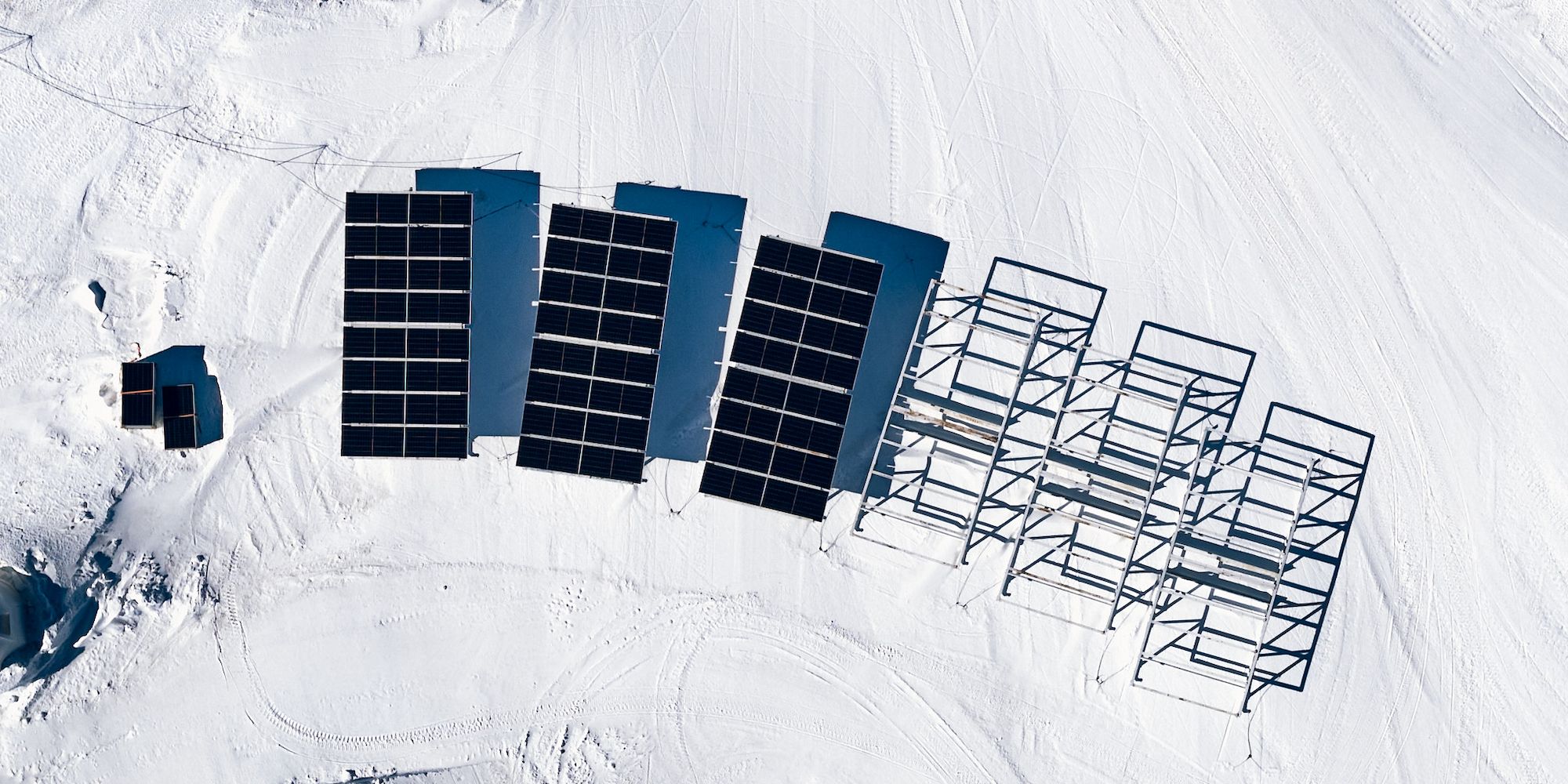
White Desert continues to set the standard for environmental stewardship in Antarctica. We innovate with renewable energy, such as relying heavily on solar panels, implement strict environmental management plans, influence policy through leadership roles, and publish annual Environmental and Sustainability Reports.
By combining luxury travel with rigorous sustainability practices, we offer our guests the chance to explore Antarctica responsibly, leaving the Continent inspired to protect its extraordinary beauty for future generations.
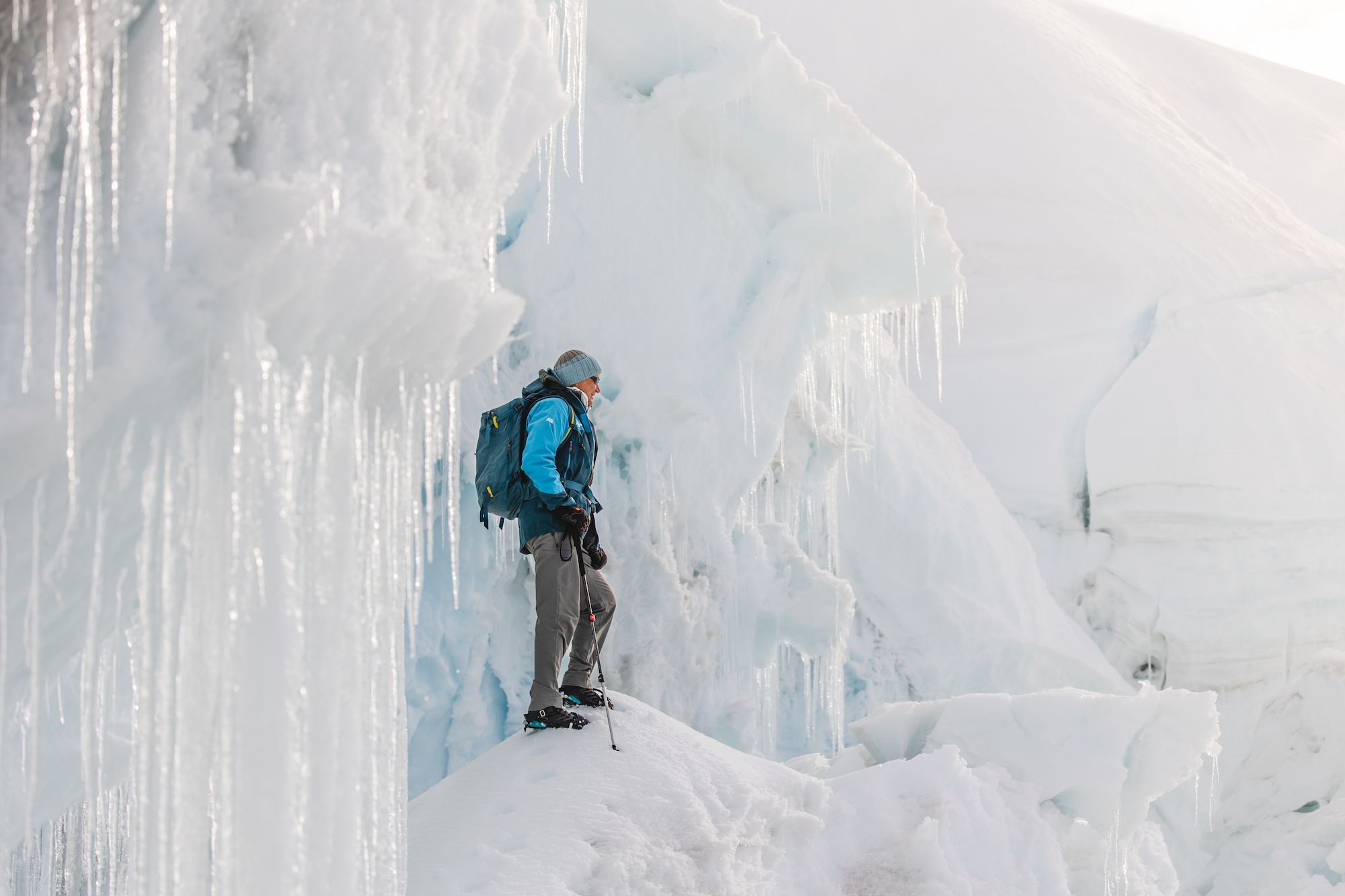
White Desert offsets its flights and activities with accredited carbon-neutral schemes. It has pioneered a solar-power system for heat and water, and this year [2020] expects to eliminate single-use plastics from its supply chain. All waste is shipped out to be recycled or disposed of responsibly in South Africa. Finally, when the camp’s lifespan reaches a natural end, it will be removed without a trace.
-
Stanley Stewart
Condé Nast Traveller

Shaping Policy and Leading Change
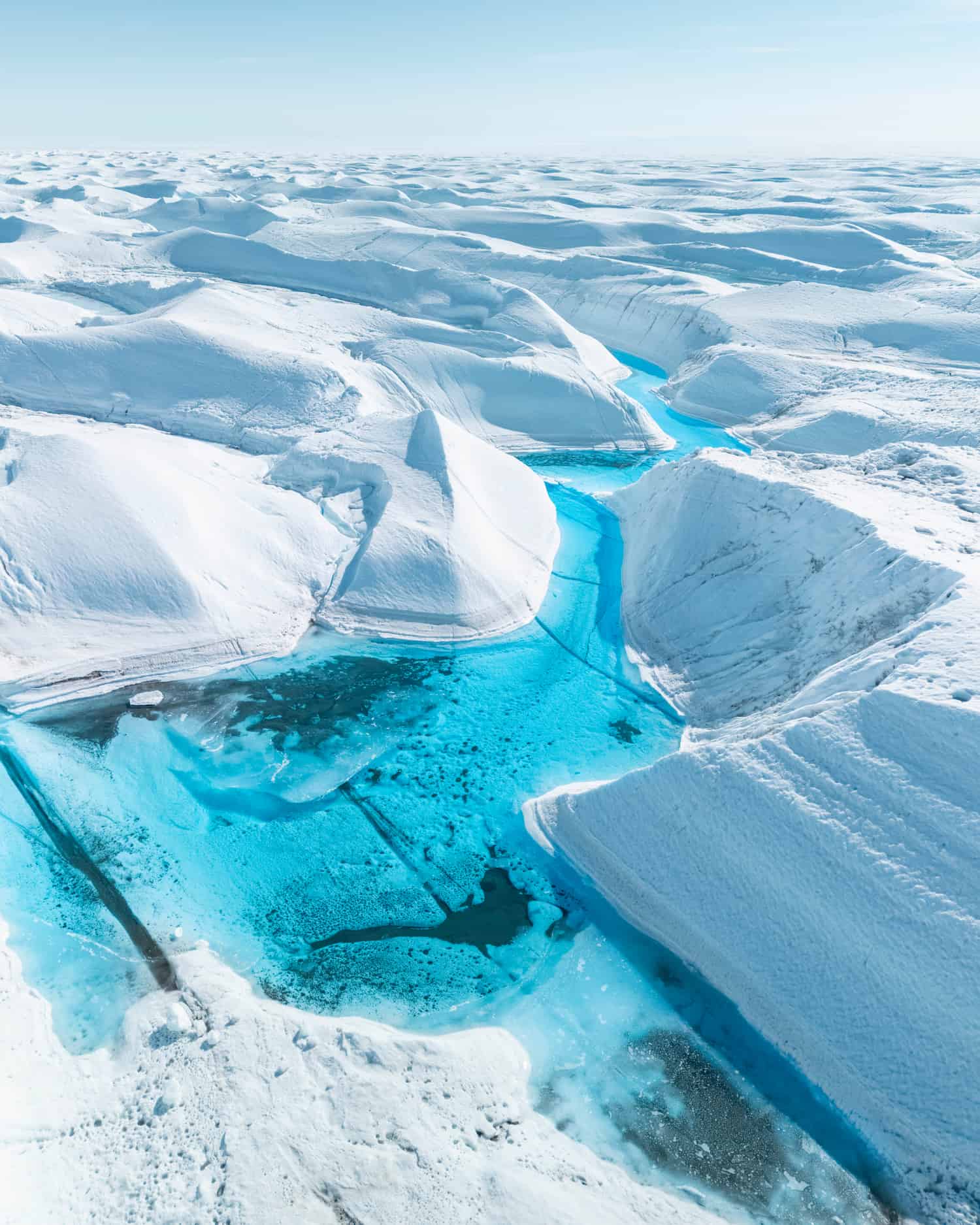
Since its inception, White Desert has prioritised environmental custodianship at its core. Carbon Neutral since 2007 and the first to pioneer the use of Sustainable Aviation Fuel in Antarctica, the company also annually delivers over 250 scientists to their polar bases, facilitating climate-based research. Additionally, White Desert has launched its own Foundation that focuses on three core pillars: supporting science, reducing carbon, and advancing energy innovation.
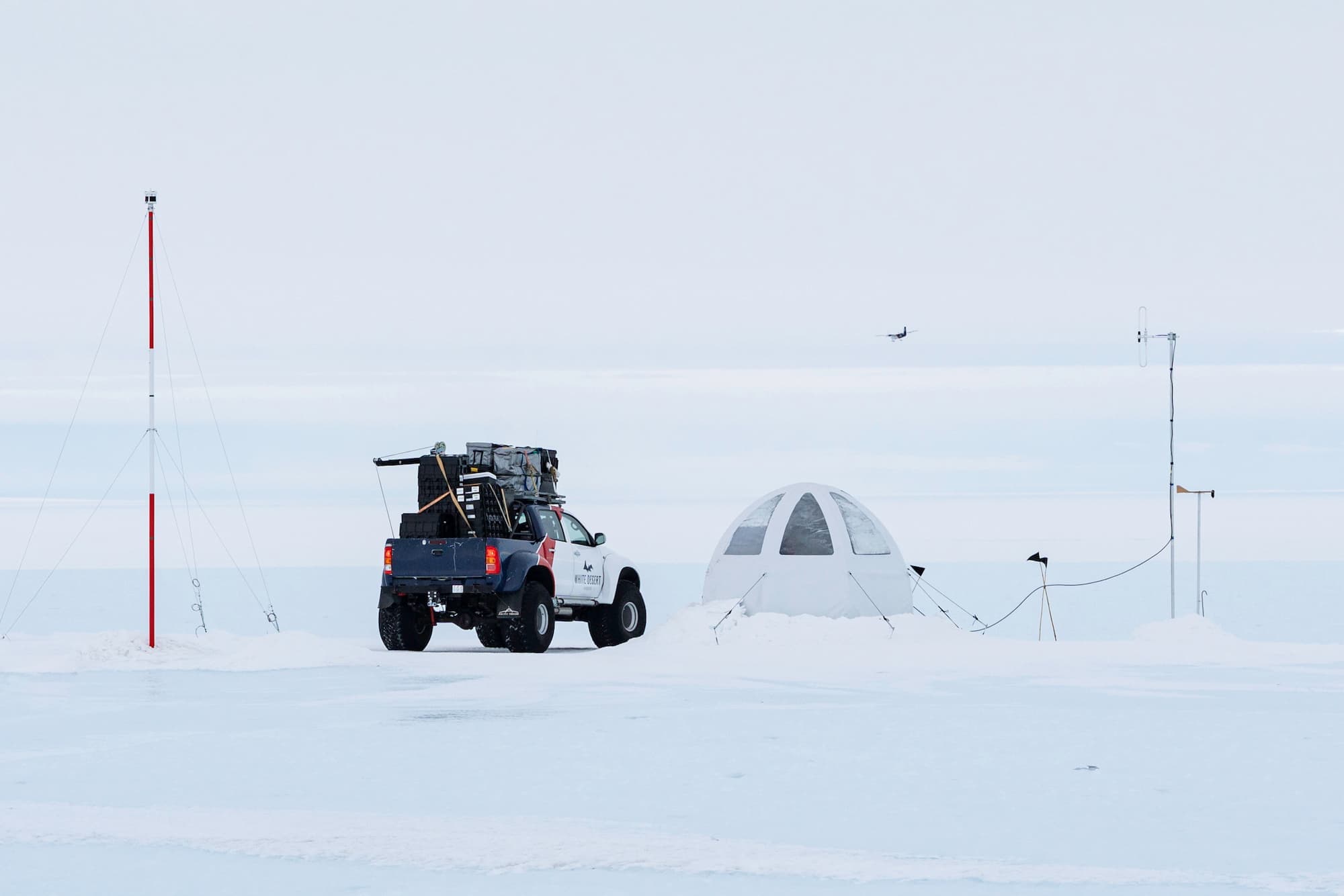
White Desert is mandated to have only a minor or transitory impact on the environment through its operations. Camps have been built with no foundations, meaning they can be removed without a trace, while all waste is taken off the Continent for responsible disposal. Each element of the supply chain and client journey has been crafted to minimise impact.
White Desert actively helps shape sustainable practices across the Antarctic sector by employing a dedicated Environmental Consultant who oversees operations, advises on logistics, and ensures that environmental impact is continuously reduced.
More
about us