White Desert Foundation
IMPACT AT THE EDGE OF THE WORLD
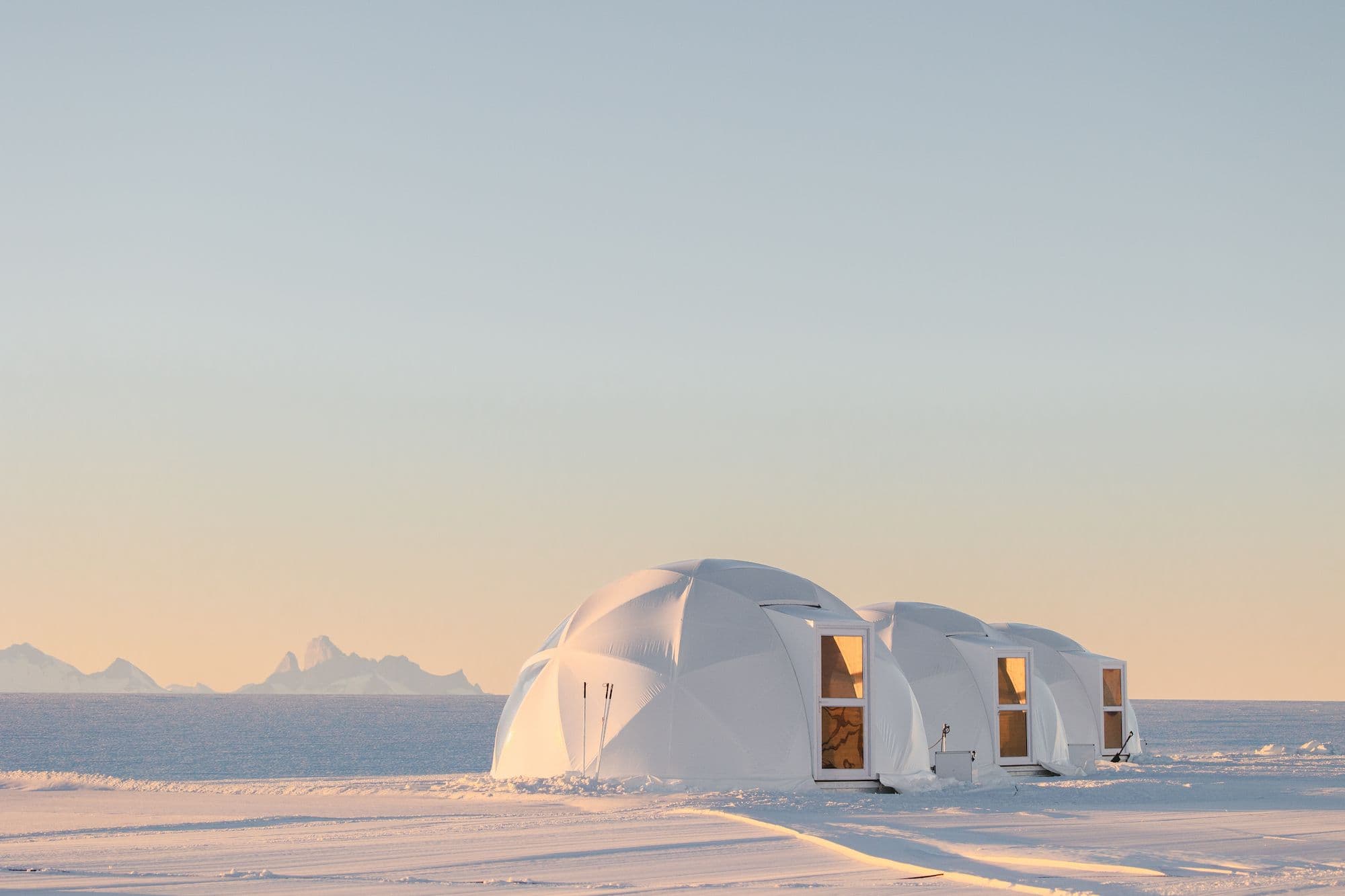
White Desert's unrivalled access to the Antarctic interior carries with it a responsibility we take seriously. The White Desert Foundation was established to convert that access into lasting impact — funding pioneering climate science, restoring Blue Carbon ecosystems, and building the global awareness that a Continent this consequential demands.
Through the Foundation, innovation moves from hypothesis to action. Research that would otherwise remain unreachable finds its footing on the ice. Fragile coastal habitats are rehabilitated. And the story of Antarctica — urgent, extraordinary and essential — reaches audiences who have the capacity to act on it.
Every White Desert guest contributes to the Foundation through an Environmental Levy. We are grateful for that trust and take great care to ensure that every dollar is deployed with precision and purpose.
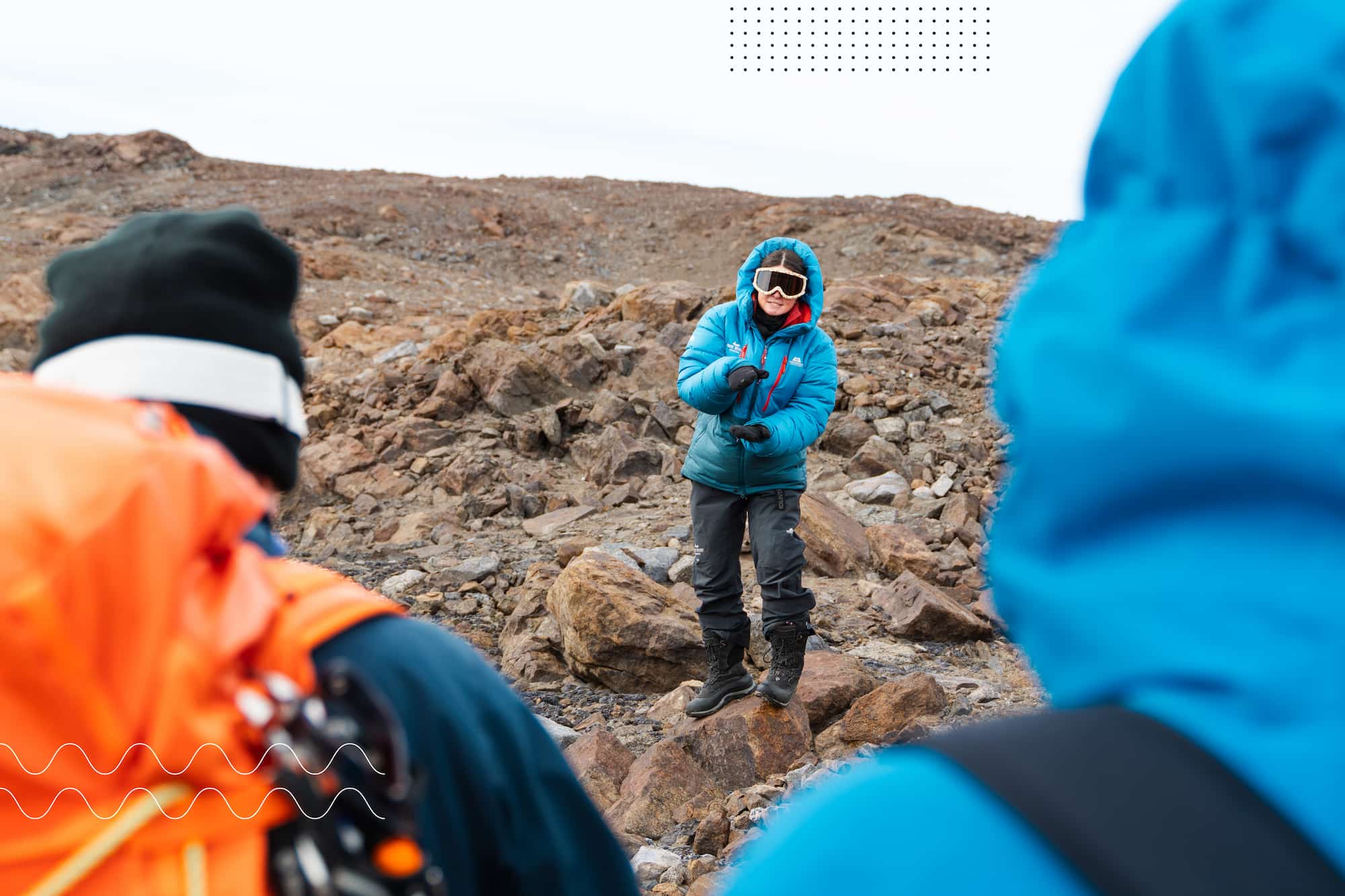
The Foundation’s Three Areas of Focused Impact
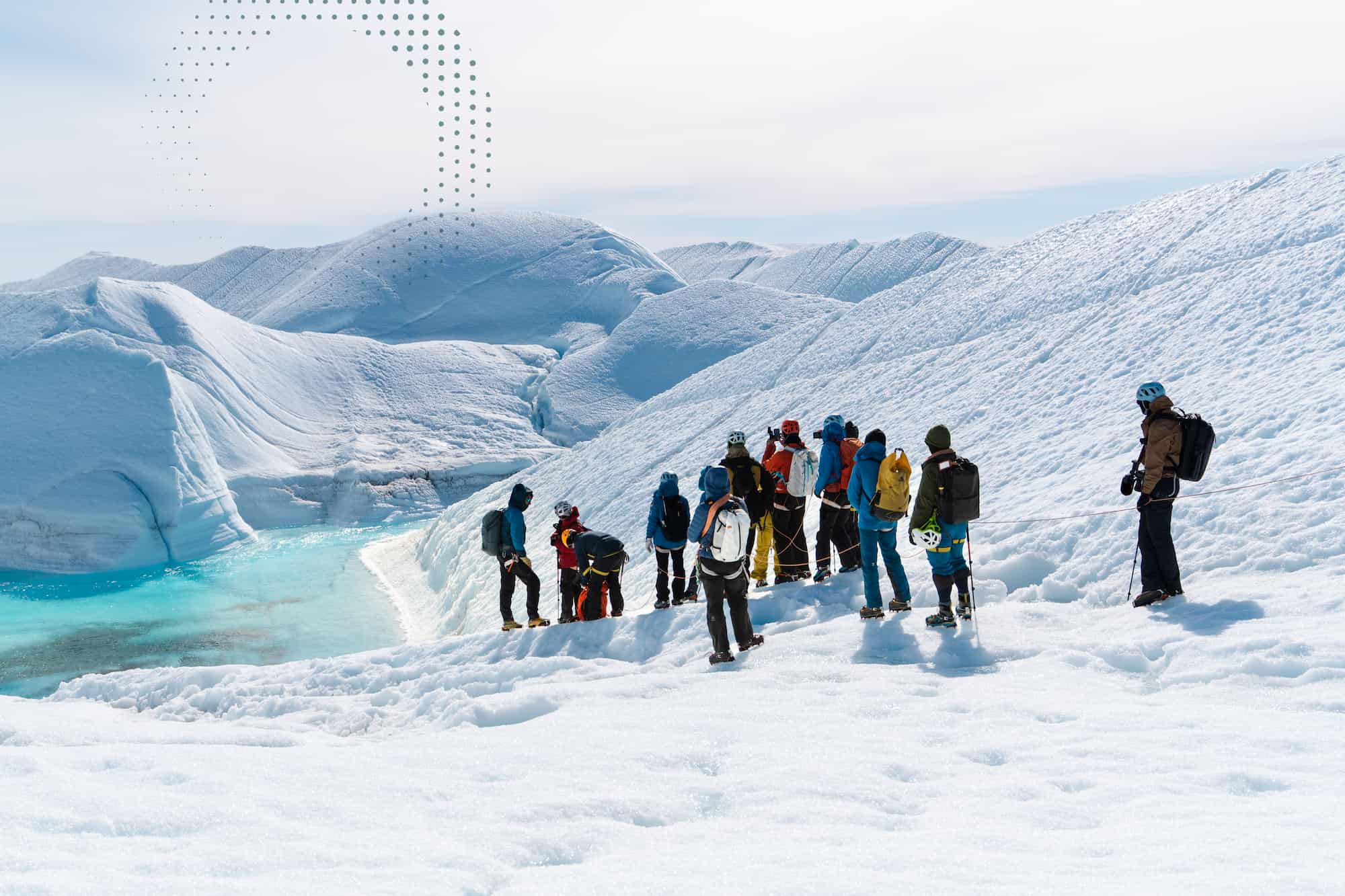
We provide logistical and operational grants to scientists conducting field research in Antarctica — helping unlock critical insights into the rapidly changing polar environment and its global implications. Climate scientists not backed by national programmes often lack the resources to work here at all. That is precisely where the Foundation steps in.
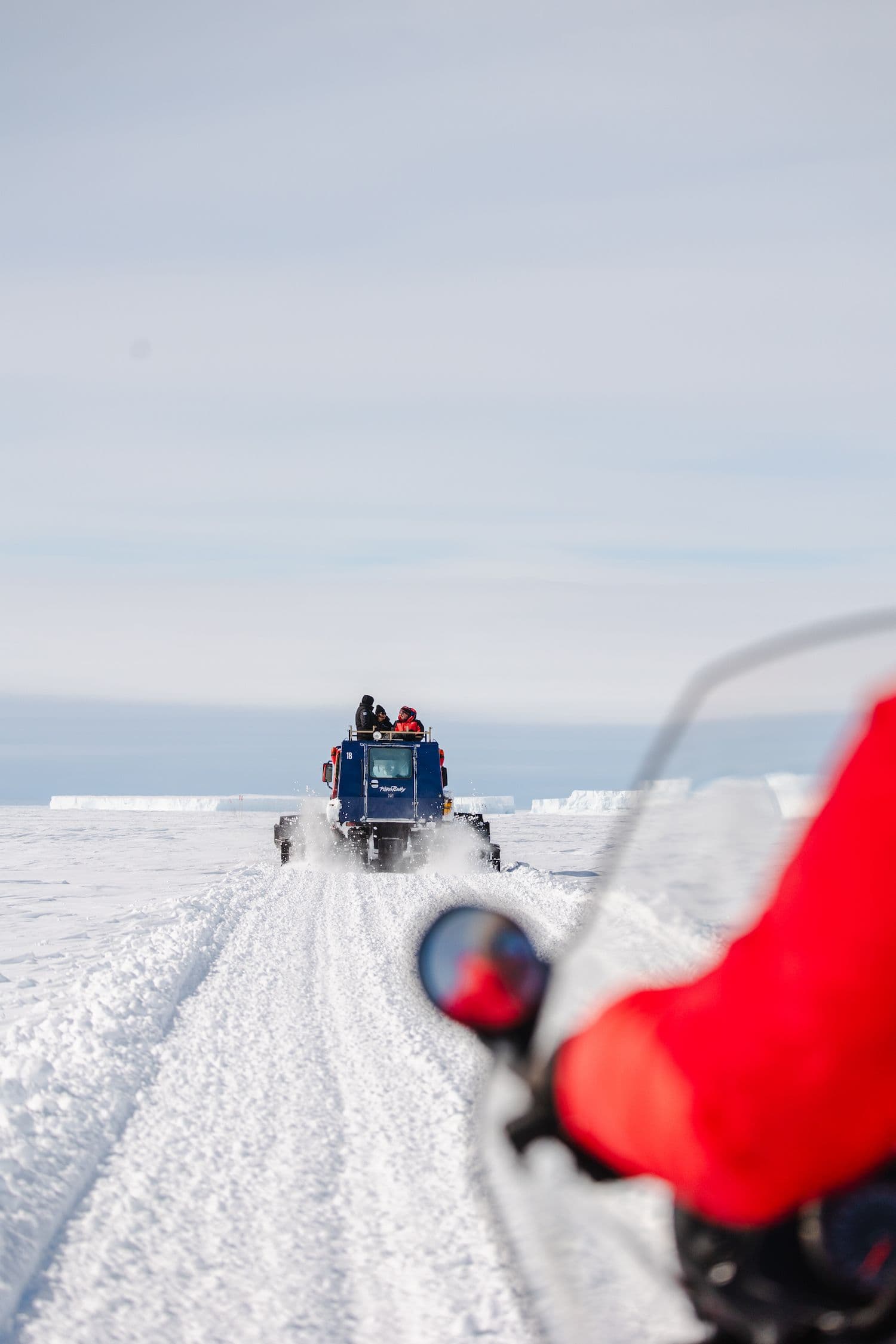
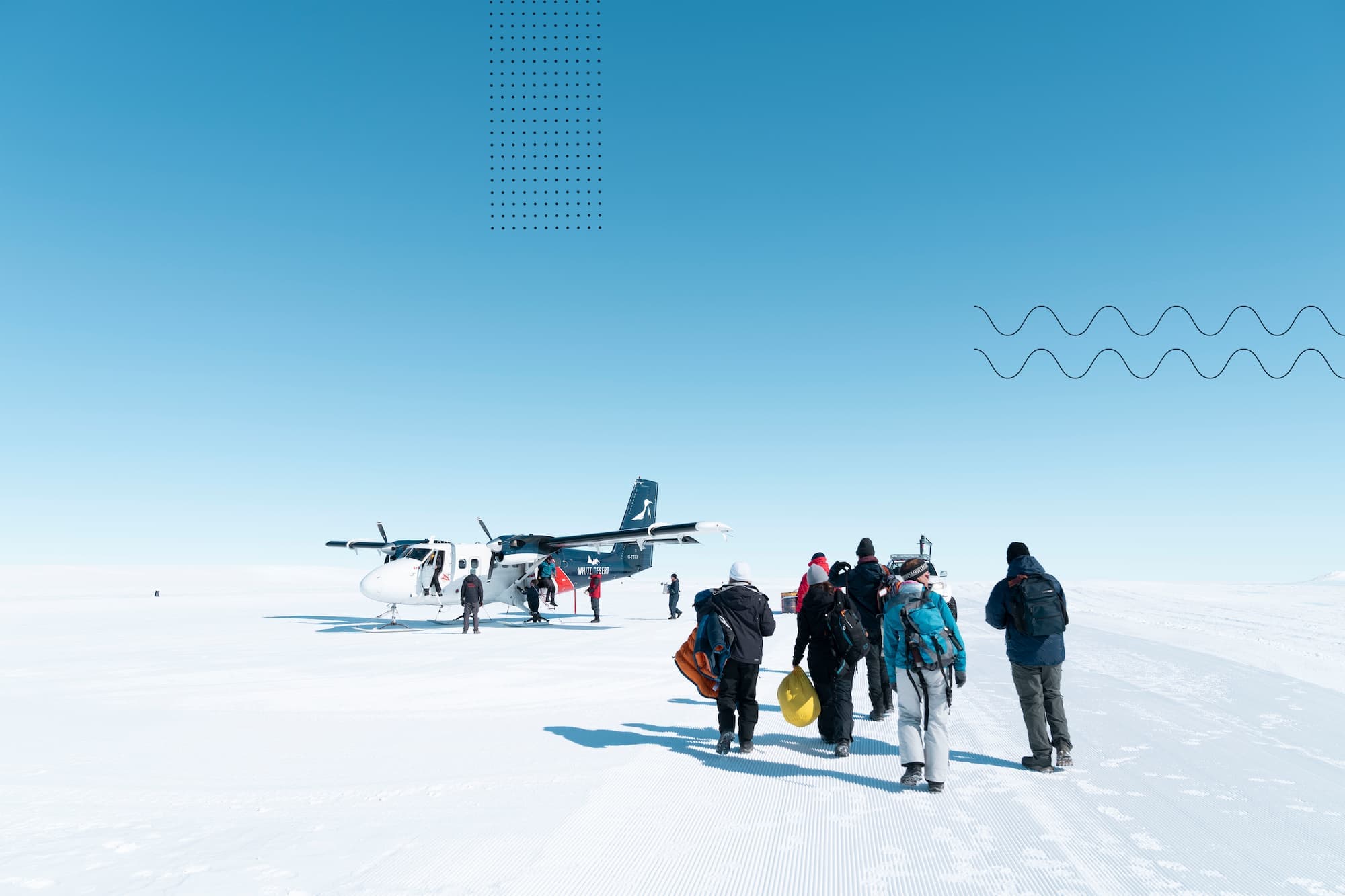
Our grants provide transportation aboard White Desert aircraft, field equipment, expedition guides, and communications infrastructure — the logistical scaffolding that makes independent Antarctic research viable.
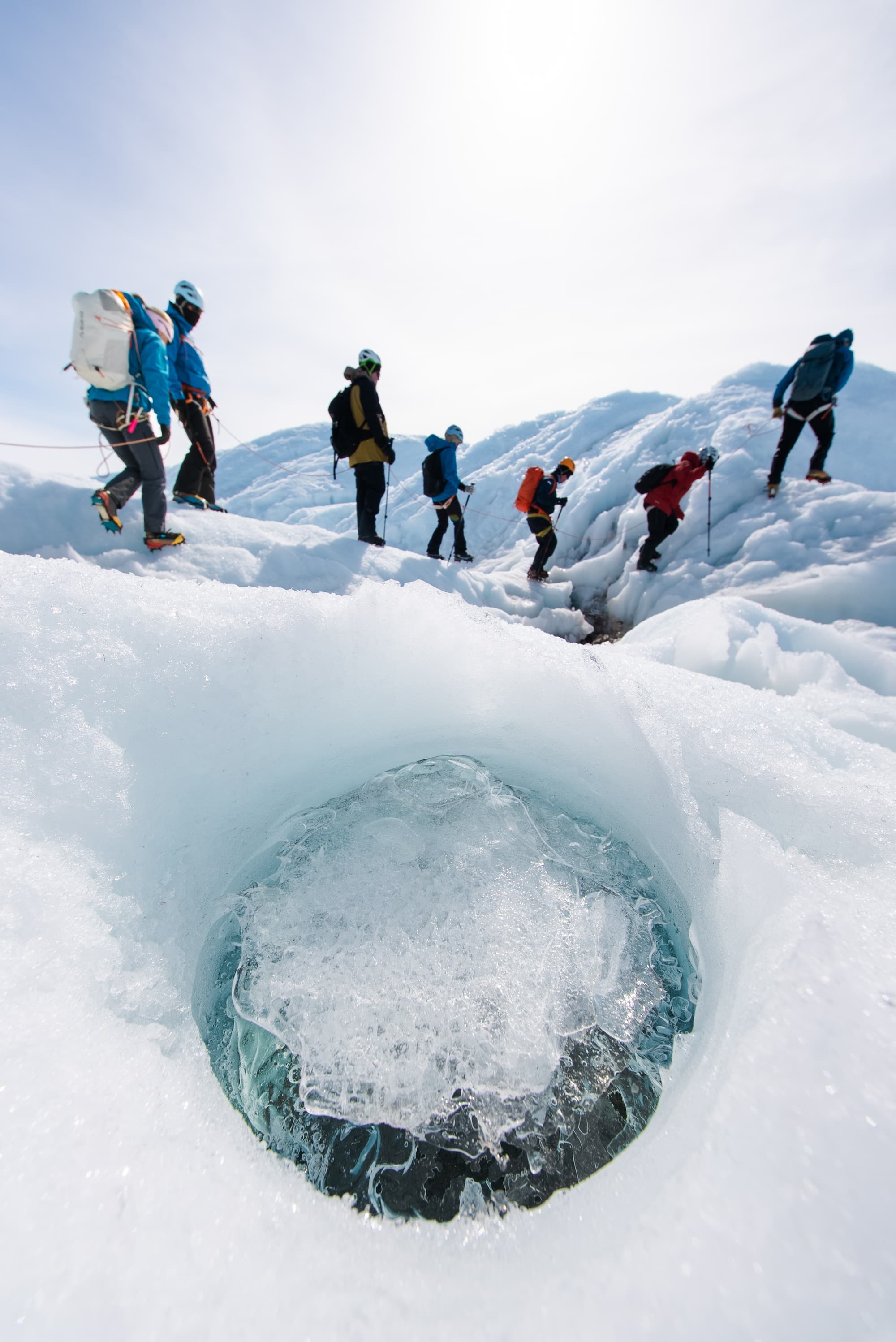
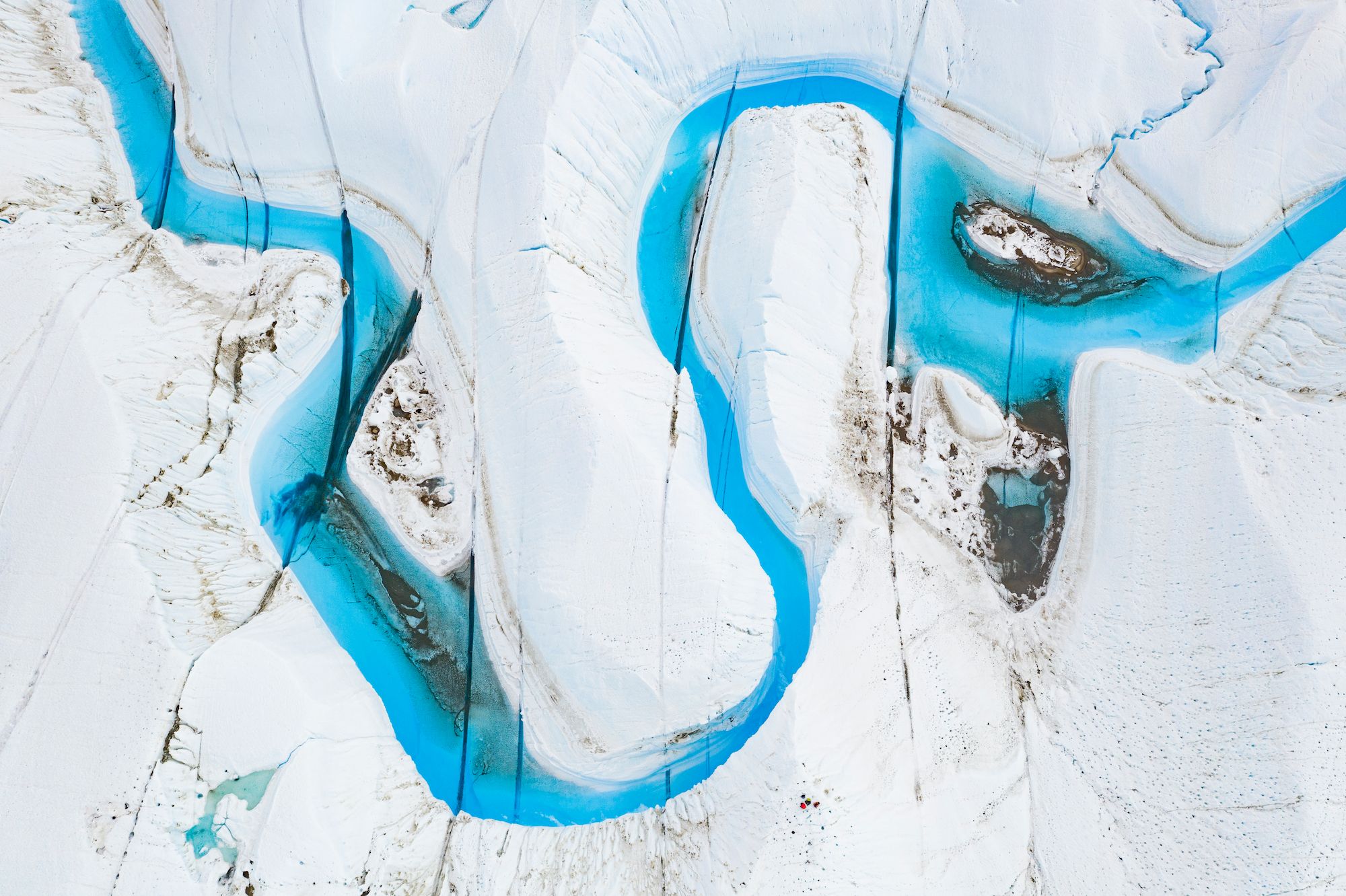
Among those we have supported are teams studying microbial life on meteorites preserved in the ice, and glaciologists studying melt and refreeze within the snowpack to better understand East Antarctica's Ice Mass balance.
We invest in Blue Carbon projects that rehabilitate coastal habitats — restoring the ecosystem functions and carbon sequestration capacity that degraded wetlands have lost. These environments, when healthy, sequester carbon at a rate that dwarfs the capacity of terrestrial rainforests. The science is increasingly compelling.
Our current projects focus on degraded Salt Marshes and Peat Wetlands along the Western Cape coastline of South Africa — our gateway to Antarctica. Restoring these systems creates a direct line between the place our guests depart from and the broader mission of protecting the planet's most critical carbon stores.
Emerging science suggests these habitats may be among nature's most powerful tools for climate mitigation. We are investing in them now, while that case is still being made.
We create opportunities for deeper understanding by connecting audiences with Antarctica's history, geography and current scientific research. Through immersive educational experiences, we illuminate how the Continent is changing — and why what happens here resonates far beyond the ice.
The people who come to Antarctica through White Desert leave changed. Many return to positions of influence — in government, business, philanthropy and public life. The Foundation's awareness programme is designed with that in mind: to give guests, and those they reach, the scientific literacy to carry the Continent's story forward with authority.
We make Antarctica's urgency legible to people who have the capacity to act on it.
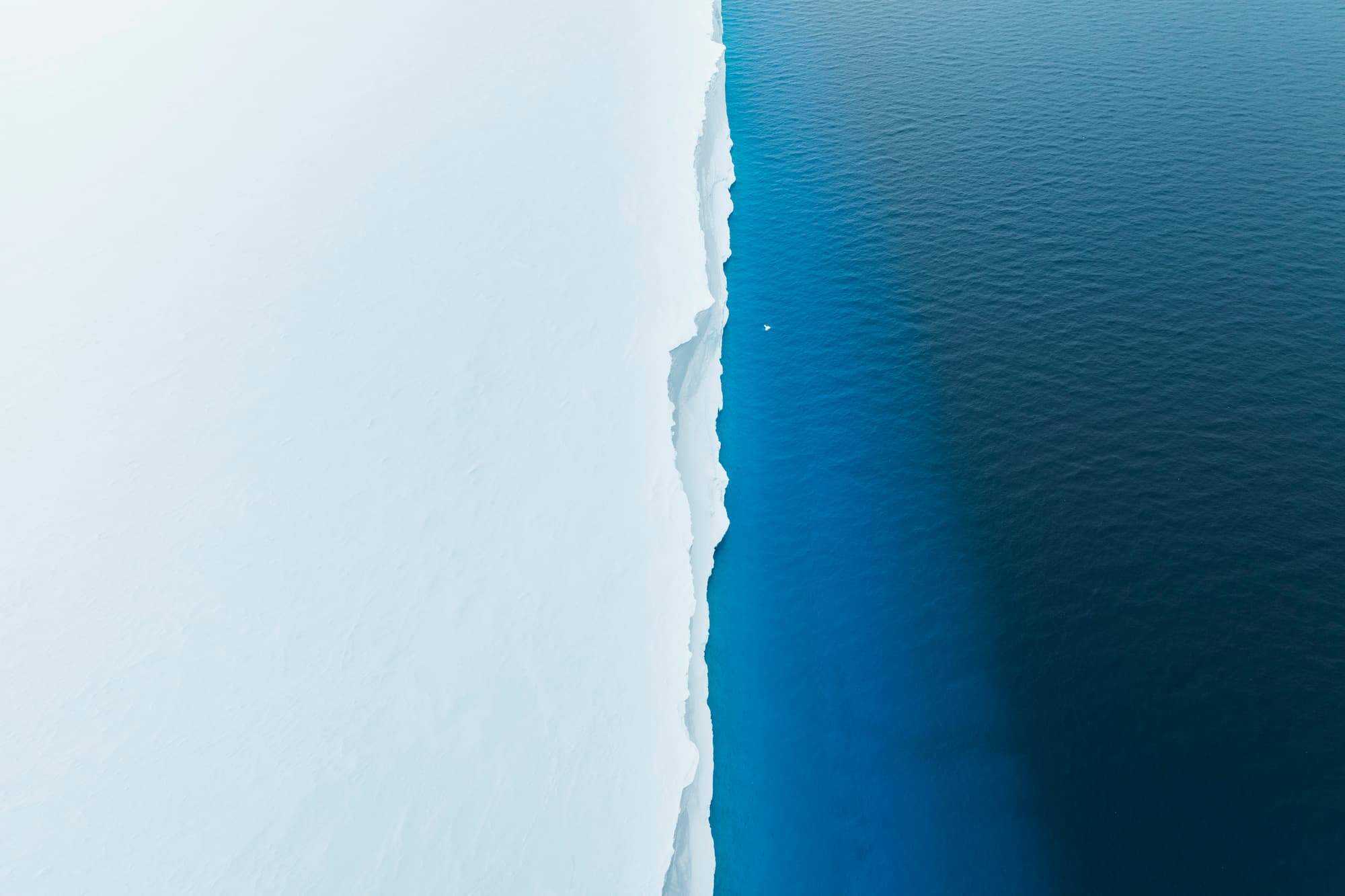
More than 50 countries support research projects on Antarctica, yet many climate scientists that aren’t backed by national programs lack the hefty funds to get here. That’s where White Desert Foundation steps in. Their grants provide transportation and logistical support for critical Antarctic research, like studying the thousands of meteorites found here.
-
Stephanie Vermillion
Travel + Leisure
More
about us